

Best Surround View Cameras
Shopping for used cars with the best surround view cameras puts stress-free parking and confidence at the top of your list. A true 360 degree camera stitches multiple views to create a bird’s eye image around the vehicle, helping you navigate tight spaces, avoid curbs, and spot obstacles. On this page, explore how surround view systems work, which brands and model years to target, and smart tips to verify the feature on the lot. You can also browse current options in our Used Inventory, compare safety and driver assistance tech on our Used Cars with Best Safety Ratings guide, or dive into shopper education on the Blog and Research Page Template. Ready to see how the cameras perform in person or value a trade to upgrade into a 360 degree equipped vehicle next? Explore Schedule a Test Drive and Value My Trade to plan your visit.
Our team verifies features by trim, package, and VIN so you know when a vehicle truly includes a surround view system. Every listing highlights key equipment, and we welcome feature demos during your visit. For questions about availability or financing, view Payment Options, start Applications, meet the team on Meet Our Staff, or find directions on Locations. Learn more about us on About Us.
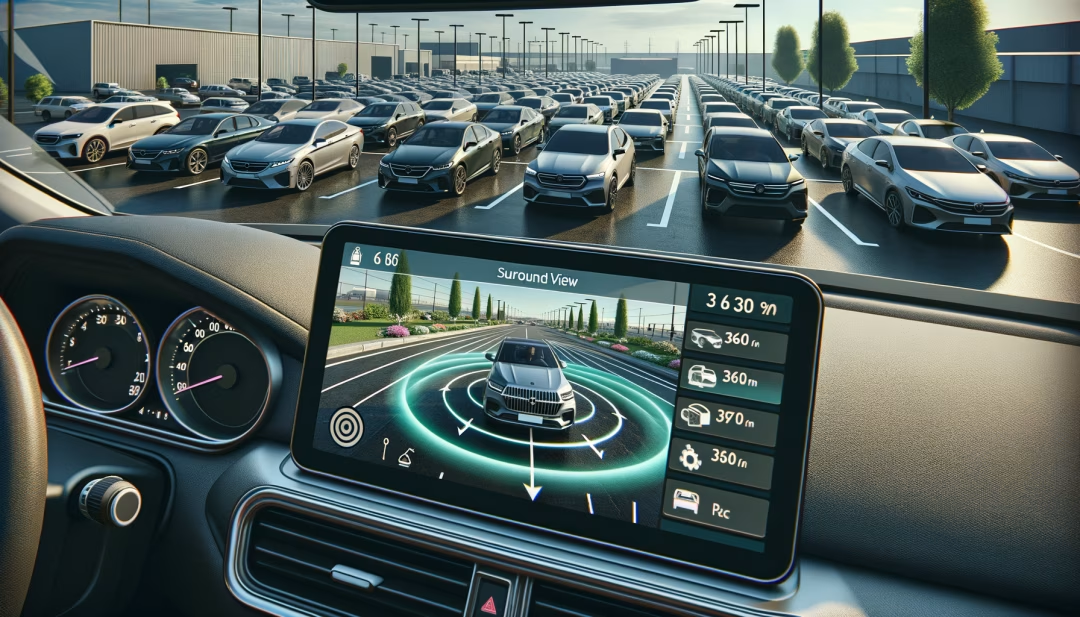
What is a Surround View Camera and Why It Matters on a Used Car
A surround view camera system, often called a 360 degree or bird’s eye camera, uses multiple wide angle cameras around the vehicle, typically mounted in the grille, mirror caps, and tailgate or trunk lid. The images are stitched into a single overhead composite, giving you a real time top down perspective and selectable views such as front, rear, and curbside angles. On a used car, this feature can deliver meaningful day to day benefits: easier parallel parking, better awareness in crowded lots, fewer curb rash incidents, and added confidence in low speed maneuvers with kids, pets, or obstacles nearby.
Surround view systems pair well with parking sensors and cross traffic alerts, but they are not a replacement for attentive driving. Because 360 degree cameras were often optional when new, availability depends on model year, trim level, and packages. The guide below outlines common names manufacturers use, recommended used models, and tips to confirm equipment on any vehicle you consider.
Brand Names to Know for 360 Degree Cameras
Automakers market surround view under different names. When browsing listings or window stickers, look for:
- Nissan Intelligent Around View Monitor
- Toyota Bird’s Eye View Camera or Panoramic View Monitor
- Hyundai Surround View Monitor and Kia Surround View Monitor
- Ford 360 Degree Camera
- GM Surround Vision on Chevrolet and GMC models
- BMW Surround View with 3D View on select models
- Mercedes Benz Surround View System or 360 Camera
- Audi Top View Camera System
- Lexus Panoramic View Monitor
- Mazda 360 View Monitor and Volkswagen Area View
Because these features were frequently tied to premium trims or technology packages, two similar vehicles on the lot can differ. Always verify with the VIN details or an on screen demonstration before finalizing your choice.
Top Used Vehicles with Surround View Cameras by Category
Availability varies by model year and trim. The examples below are commonly found in the used market with surround view on select configurations. Exact availability may vary, so confirm on each listing in our Used Inventory.
Compact and Midsize SUVs
- Nissan Rogue 2017 to 2020: Often available with Intelligent Around View Monitor on higher trims like SL and Platinum packages.
- Mazda CX 5 2019 and newer: 360 View Monitor commonly found on Signature and top trims with premium packages.
- Volkswagen Tiguan 2018 and newer: Area View typically on SEL Premium trim levels.
- Toyota RAV4 2019 and newer: Bird’s Eye View Camera available on Limited and select packages.
Three Row and Family SUVs
- Kia Telluride 2020 and newer: Surround View Monitor typically on SX Prestige and higher packages.
- Hyundai Palisade 2020 and newer: Surround View Monitor on Limited and Calligraphy trims.
- Toyota Highlander 2017 and newer: Bird’s Eye View on Limited Platinum and select packages.
- Audi Q7 2017 and newer: Top View often included on Premium Plus and Prestige trims.
Sedans and Luxury Cars
- Toyota Camry 2018 and newer: Bird’s Eye View available on XLE and some XSE models with optional packages.
- Lexus ES 2019 and newer: Panoramic View Monitor available on Ultra Luxury and select packages.
- BMW 5 Series 2017 and newer: Surround View commonly equipped on models with Parking Assistance packages.
- Mercedes Benz E Class 2017 and newer: 360 camera available on Premium or Parking Assistance packages.
Trucks and Work Vehicles
- Ford F 150 2016 and newer: 360 Degree Camera available starting on mid to upper trims with parking packages.
- Chevrolet Silverado 2019 and newer: Surround Vision offered on LTZ, High Country, and select packages.
- GMC Sierra 2019 and newer: Multi camera Surround Vision common on Denali and upper trims.
Minivans
- Toyota Sienna 2018 and newer: Bird’s Eye View on Limited Premium and specific technology packages.
- Chrysler Pacifica select years: Surround View available on upper trims with advanced safety packages. Verify by VIN.
How to Verify a Surround View System on a Used Vehicle
Because equipment varies, trust verification methods beyond a generic features list. Use these checks and, if helpful, ask our team to demo the feature during your visit.
- Look for small camera lenses under both side mirrors, in the front grille, and near the rearview camera.
- On startup or via the camera button, confirm a stitched overhead view appears on the infotainment screen.
- Test view toggles. Many systems show front, rear, wide, curbside, trailer line views, and dynamic guidelines that move with steering angle.
- Confirm package details via the VIN or original window sticker when available.
Shopping Tips, Budgets, and Model Year Guidance
While luxury brands adopted 360 degree systems early, mainstream models caught up quickly starting around the 2016 to 2020 window. If you are budget conscious, look for compact SUVs like the 2017 to 2020 Nissan Rogue SL or 2019 Mazda CX 5 Signature. Family buyers may favor 2020 and newer Palisade or Telluride configurations with the Surround View Monitor included. For premium sedans, 2017 and newer BMW 5 Series or 2017 and newer Mercedes Benz E Class with parking packages commonly include a 360 camera. Trucks that regularly tow or park in tight worksites benefit from 2016 and newer F 150 or 2019 and newer Silverado or Sierra with multi camera systems.
Prices vary by trim, mileage, condition, and regional demand. When comparing vehicles, treat the surround view system like any other option. Two vehicles with similar mileage can be priced differently if one includes a comprehensive tech package with this feature. Use our tools to compare similar listings in Used Inventory, see recently Sold Inventory for market insight, and check ownership details with our Used Car Buying Checklist.
Surround View vs. Backup Camera or Parking Assist
Every camera and assistance feature has a purpose. A basic backup camera provides a single rear view. Parking sensors offer audible distance cues. Automatic parking or parking assist can steer into spots in some cases. A 360 degree surround view complements these by filling blind spots around the front corners and passenger side, areas that drivers often misjudge. If parking confidence is a top priority, shop vehicles that combine a surround view camera with front and rear sensors and cross traffic alerts. See more related comparisons on Used Cars with Best Parking Assist, Used Cars with Best Backup Cameras, and Safest Used Cars.
Care and Maintenance Tips for 360 Degree Cameras
These systems are robust but benefit from simple care. Keep lenses clean using a soft microfiber cloth and gentle cleaner. Avoid high pressure spray aimed directly at lens edges. After body or mirror repairs, request a camera calibration check. In winter climates, clear slush and road salt from lens covers before relying on the image. If the display appears fuzzy or distorted, inspect for dirt first and ask for a diagnostic check if the issue persists.
Feature Checklist When You Test Drive
- Confirm the system auto activates at low speeds or via a camera button.
- Check for curb view modes that show the passenger front wheel to protect your rims.
- Verify image clarity in bright sun and shade to spot glare or dimness issues.
- Make sure guidance lines turn with the wheel and correspond to actual tire paths.
Explore More Buying Guides and Tools
Surround view is only one part of a smart used car decision. Compare reliability, safety, value, and ownership costs across our in depth resources. Begin with Used Cars with Best Safety Ratings, browse budget focused picks like Best Used Cars Under 20000, or research family haulers on Best Used 3 Row SUVs. If advanced tech is a must, you might also like Used Cars with Best Driver Assistance and Best Used Cars with Apple CarPlay. When questions arise, reach out on Contact Us or review policies at Privacy Policy, Terms, and Visitor Agreement.
Frequently Asked Questions about Surround View Cameras
Helpful Links
Explore more pages for guidance, comparisons, and ownership tools:
