

How To Find Real Value Before You Buy
Shopping for a used car should feel confident, not confusing. This Used Car Price Comparison Guide shows you how to evaluate listings, read the market, and pinpoint a fair price before you step onto the lot. You will learn how to compare similar vehicles by year, trim, mileage, condition, service history, and location while avoiding common pitfalls that inflate costs. We will also explain how financing, interest rates, warranties, and trade ins affect what you ultimately pay. Along the way, you can explore current options in our Used Inventory, review recent deals on our Sold Inventory, and use research pages like How To Value A Used Car for deeper insights. Whether you want a fuel sipping commuter or a family friendly SUV, use this step by step playbook to compare prices the smart way and lock in value with confidence.
Real savings start with real comparisons. Use this guide to collect comparable listings, adjust for mileage and condition, calculate total ownership costs, and focus on out the door pricing. For financing clarity, see Used Car Financing Guide and Used Car Loan Interest Rates. Have a trade in. Start with Value My Trade.
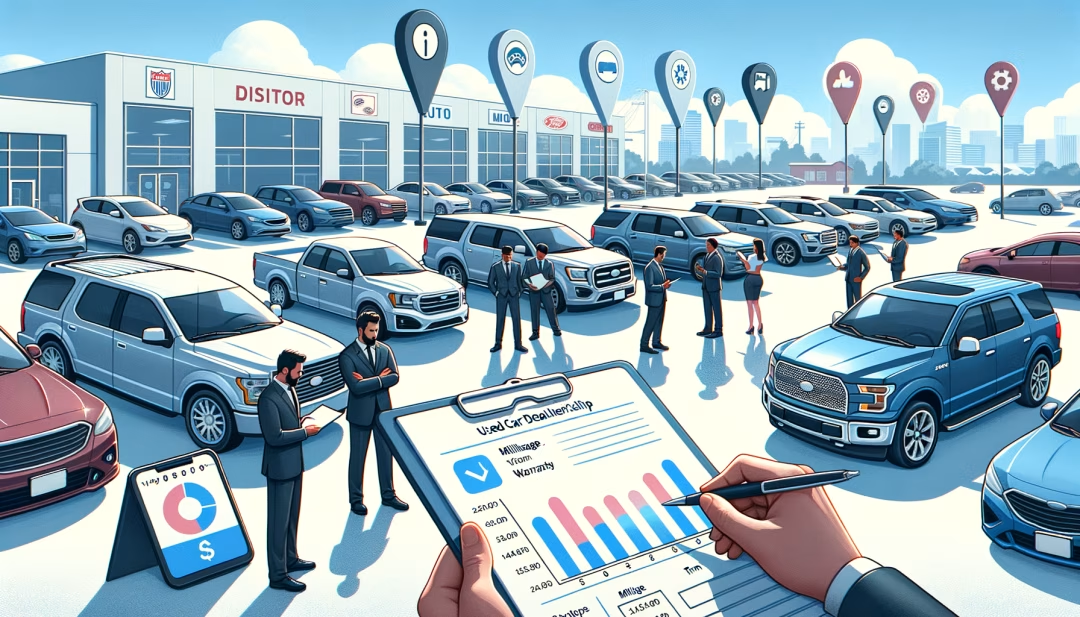
What A Used Car Price Comparison Really Means
A true comparison goes beyond scanning sticker prices. It measures apples to apples across the same model, generation, trim, drivetrain, mileage band, condition grade, and feature set in your region. The goal is to find a fair market range, then calculate your real cost after taxes, fees, financing, and trade in. With a shortlist of solid comps and a clear target range, you are equipped to make a fast, confident decision.
Start With Reliable Market Data
Begin by gathering 5 to 10 comparable vehicles that match your target year, trim, and options. Pull listings from our Used Inventory, review recent outcomes in Sold Inventory, and read market context on Used Car Price Trends. For broader patterns, check Used Car Prices By Year, Average Used Car Price By Brand, and location specific data at Used Car Prices By City. Pair active listing prices with real sold results to avoid anchoring too high.
Key Factors That Move Price
- Mileage - lower miles usually command a premium but watch for unusually low miles without service proof
- Condition - interior wear, paint, tires, brakes, and accident history all affect value
- Trim and options - safety tech, all wheel drive, premium audio, sunroof, tow package, and driver assists can add significant value
- Ownership and history - one owner with full records usually earns a premium; see Used Car History Report Guide and How To Check Used Car History
- Region and season - trucks and SUVs often cost more in winter states; convertibles may be higher in spring
A Practical Step By Step Comparison Method
- Define your target vehicle: year, engine, trim, must have features, and mileage cap
- Collect 5 to 10 comps from Used Inventory and nearby sources with similar specs
- Adjust for mileage: estimate a per mile adjustment based on segment and age; compact cars may vary 8 to 12 cents per mile, trucks and luxury can be higher
- Adjust for options and condition: add value for driver assists or premium packages, subtract for worn tires, brakes, or cosmetic needs
- Set a fair market range: midpoint and a walk away ceiling focused on out the door price
Example: If your comps average 19,800 with 70,000 miles, but your target vehicle has 60,000 miles, and you value mileage at 10 cents per mile, you might add about 1,000 to the baseline. If it also has a safety package worth 400, your target list price might be about 21,200 before fees. Use this only as a guide and confirm with inspection and history.
Do Not Forget Total Cost Of Ownership
Sticker price does not equal long term cost. Evaluate fuel, insurance, maintenance, tires, brakes, taxes, registration, depreciation, and potential warranty coverage. See Used Car Ownership Cost Analysis, Used Cars With Lowest Maintenance Costs, and Used Cars With High MPG to choose a car that saves money after the purchase too.
- Fuel and insurance - hybrids and compact sedans may reduce monthly costs
- Maintenance and repairs - research common issues by model and use Used Car Inspection Checklist
- Depreciation - compare pace using Used Car Depreciation Guide
How Financing Changes The Real Price
The interest rate, loan term, and down payment can shift your out the door cost more than a small discount on the vehicle price. Read Used Car Financing Guide, Used Car Loan Interest Rates, and How Interest Rates Affect Used Car Loans to understand the payment impact. You can also explore Payment Options or start an application at Applications.
- Compare rates across terms to see lifetime interest paid, not just the monthly payment
- Improve down payment if possible to lower the amount financed and interest costs
Trade In Value And Equity
Your trade in can be a major lever. Get a realistic figure with Value My Trade and review strategy in Used Car Trade In Guide. Compare offers and apply equity to reduce taxes and the amount you finance in many states.
Certified Pre Owned Versus Traditional Used
CPO vehicles may cost more but often include extended warranty coverage and strict inspections. Compare pros and cons at Certified Pre Owned vs Used, and review coverage insights in Used Car Warranty Guide and Used Vehicles With Best Warranty Coverage. Price the added protection against your risk tolerance and repair expectations.
Timing And Location Matter
Local supply and seasonality affect pricing. Winter can favor SUV and truck pricing, while end of quarter or model changeover periods may create better negotiation room. Learn more at When Is The Best Time To Buy A Used Car and keep an eye on Used Car Market Trends.
Private Seller Versus Dealership Prices
Private sellers may list lower prices, but you may not receive reconditioning, warranties, or financing support. Dealerships often include multipoint inspections, professional reconditioning, and easier trade in or financing. Compare paths at Used Car Dealership vs Private Seller and see what to expect at Buying A Used Car From A Dealer.
Verification Steps Before You Compare Final Prices
- Vehicle history: confirm title status, accidents, ownership count, service intervals - see Used Car History Report Guide
- Pre purchase inspection: consider scheduling through Schedule Service
- Test drive and features check: book via Schedule A Test Drive
Negotiation Tips Focused On Value
Negotiate the vehicle you want, backed by your comps, and center on the out the door figure that includes all taxes and fees. See the full playbook in How To Negotiate A Used Car Price.
- Lead with facts: show 3 to 5 close comps and your adjustment notes
- Be flexible on minor options, firm on condition and history
- Keep a walk away price and a backup choice from your shortlist
Segment Snapshots To Set Expectations
Different body styles follow different pricing curves and ownership costs. Browse our researched picks to balance value, reliability, and features.
- Sedans: see Best Used Sedans and Best Used Commuter Cars
- SUVs: start with Best Used SUVs, Best Used Midsize SUVs, and Best Used 3 Row SUVs
- Trucks: explore Best Used Trucks and Best Used Trucks For Work
- Hybrids and EVs: review Best Used Hybrid Cars and Best Used Electric Vehicles
Glossary Of Pricing Terms
- Book value: a generalized valuation estimate that may not reflect local supply and demand
- Wholesale price: dealer to dealer or auction price before reconditioning and retail preparation
- Retail price: consumer facing listing price which includes dealer reconditioning and overhead
- CPO premium: additional cost for warranty and certified inspections on select vehicles
- Out the door price: final total including vehicle price, taxes, title, registration, and fees
Related Research And Tools
Frequently Asked Questions
For store details and policies, visit About Us, Privacy Policy, Terms, and Visitor Agreement. If you have questions, our team is ready at Contact Us.
