
Deciding between a used car dealership vs private seller is one of the biggest choices you will make when shopping for a pre-owned vehicle. Each path can lead to a great deal, but the experience, protections, and long term costs can be very different. Dealerships typically offer inspected vehicles, financing options, trade in support, and help with title and registration. Private sellers may advertise lower prices, but buyers often shoulder more risk, from arranging inspections and verifying paperwork to handling payment safely.
This guide explains the pros and cons of both routes, what to look for before you buy, and how to protect your money and time. You will also find helpful comparisons, cost insights, and links to resources like used inventory, financing education, inspection checklists, and more. Use this page to choose the option that aligns with your comfort level, budget, and timeline.
At a glance, dealerships streamline the process and add buyer protections, while private sellers can offer initial savings if you are comfortable managing the details. Consider the following when choosing your path:
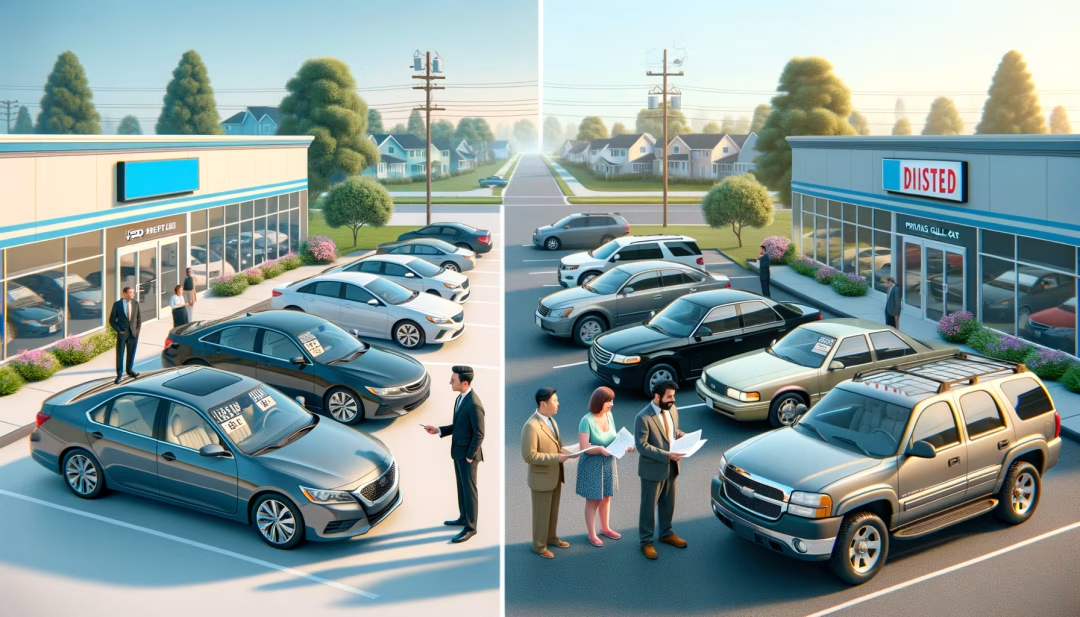
Buying from a used car dealership often feels more structured for good reasons. Dealerships typically inspect incoming vehicles, recondition them to meet retail standards, and provide documentation such as a vehicle history report. Many offer limited warranties or sell service contracts to reduce surprise repair costs after the sale. If you need financing, a dealership can present multiple lender options and support different credit profiles, sometimes including second chance lending. If you have a trade in, you can apply your vehicle value on the spot toward your next purchase.
Paperwork is another major benefit. A dealership processes title transfer, temporary tags where applicable, and state required forms, which lowers the chance of mistakes that can delay registration. You can also shop and compare multiple models in one visit. If you want to browse what is in stock now, you can start at used-inventory or review recently sold-inventory to see popular choices and pricing trends.
Private sellers can sometimes list cars at lower asking prices because they do not have overhead such as a showroom, reconditioning equipment, or sales staff. Negotiation is often more direct, and you may learn detailed maintenance history from an owner who drove the vehicle daily. For seasoned shoppers who can arrange a pre purchase inspection and who understand title requirements, a private sale can work well and save money upfront.
However, you are responsible for more steps: verifying the title is clear, confirming the VIN matches the paperwork, arranging a secure inspection and test drive, and handling safe payment. If you are new to the process, use resources like used-car-inspection-checklist, used-car-vin-check-guide, and how-to-check-used-car-history to minimize risk.
The cheapest asking price is not always the lowest total cost. Think about the full ownership picture: taxes and fees, financing costs, expected maintenance, possible repairs, and resale value. A dealership might be priced slightly higher but could include recent maintenance, new tires, a fresh inspection, and a short warranty. A private seller might list a lower figure but pass along upcoming costs you will pay right after buying.
Dealership sales are regulated and often include post sale support. Many states require disclosures, and dealerships may offer exchange periods, limited warranties, certified pre owned options, or the ability to purchase extended coverage. Private sales typically transfer the vehicle as is, which means limited or no recourse if an issue appears later. Consider your risk tolerance and how much support you want after the sale.
If coverage matters to you, read certified-pre-owned-vs-used, used-car-warranty-guide, and extended-warranty-for-used-cars.
Dealership financing centralizes approvals and paperwork. You can compare lenders quickly, see different down payment scenarios, and keep all documents in one place. This is especially helpful for first time buyers or shoppers working to rebuild credit. Explore payment-options, applications, and credit tips like how-to-get-approved-for-a-used-car-loan and can-you-finance-a-used-car-with-bad-credit.
In a private sale, you will usually pay with a cashier check or secure electronic transfer. Avoid carrying large amounts of cash and meet in safe, public places. Verify payoff amounts if the seller still has a loan. For trade ins, dealerships provide instant valuations that reduce the number of transactions you manage. You can estimate your equity with value-my-trade.
Accurate paperwork protects you from headaches later. Dealerships handle title transfer, temporary tags where applicable, odometer disclosures, and state tax documentation. With a private seller, you must confirm that the person on the title is the person selling the car, that the VIN matches, and that the title is free of liens. If the seller has a lender, the title may be held until payoff clears. To prepare, review used-car-title-and-registration-guide.
Convenience is a major difference. At a dealership, you can test drive several vehicles, request a pre purchase inspection, arrange financing, value a trade, and finish paperwork in a single visit. With a private seller, you coordinate viewing times, schedule independent inspections, verify documents, and visit your local title office after payment. Consider how much time you can invest and how quickly you need a car.
A dealership typically reconditions incoming vehicles with safety items, fluids, tires, and any components required to meet their retail standards. Documentation and multipoint inspections are common. Private sellers can maintain their cars very well, but the only way to know is to verify with an independent mechanic and review service records. For a step by step process, see what-to-look-for-when-buying-a-used-car and used-car-buying-checklist.
A dealership makes model comparison easy. You can drive a compact sedan and a midsize SUV back to back, which highlights ride quality, cabin space, and features. If you are narrowing options, browse our research hubs such as best-used-suvs, best-used-sedans, most-reliable-used-trucks, and schedule time behind the wheel with schedule-a-test-drive. Private sellers usually have a single vehicle, so comparisons take longer.
Private sales can be a smart move when the seller offers complete maintenance records, the car passes an independent inspection, the title is clear, and the price advantage is meaningful after adding expected maintenance. If a bank or credit union offers you a strong direct auto loan rate, you can combine that with a well vetted private listing. Use how-to-negotiate-a-used-car-price to prepare for pricing conversations.
If you want a one stop experience with protections, a dealership is often best. This is especially true for buyers who need financing flexibility, prefer vehicles with warranty options, want to roll negative equity from a trade, or do not have time to handle title details. Explore inventory now at used-inventory and learn how to compare models on how-to-buy-a-used-car.
Your must have features can also guide where you shop. Dealerships are good for comparing safety tech packages and finding specific trims. If you want advanced driver assistance or excellent fuel economy, check out guides like used-cars-with-best-safety-ratings and used-cars-with-high-mpg. Families can review best-used-family-cars and best-used-3-row-suvs. If you haul or tow, start with best-used-vehicles-for-towing.
Use these resources to prepare, compare, and shop with confidence. If you have questions, you can always reach out through contact-us or learn more about our team on about-us and meet-our-staff. Plan a visit to one of our locations or explore educational posts on the blog.
For policy details, see visitor-agreement, terms, and privacy-policy. If you would like to share feedback, visit customer-survey. To schedule maintenance after purchase, use schedule-service.

