
Comparing certified pre owned vs used cars is one of the smartest steps a shopper can take. Both paths can deliver value, but they are built for different priorities. Certified pre owned vehicles are late model, low mileage, and inspected to strict standards, often backed by manufacturer warranties and added perks. Traditional used cars come in a wider range of ages, mileages, and prices, which can unlock serious savings if you prioritize budget flexibility.
On this page you will learn how certification works, what is included in typical warranty coverage, the inspection differences that matter, and how ownership costs vary over time. You will also find practical checklists and tips that make side by side comparisons simpler. Ready to explore options right now for your shortlist and research deeper details from our site resources like used-inventory and research-page-template.
The right choice depends on your goals, from warranty confidence and lower risk with certified pre owned to lower entry price and broader selection with used cars. Below we break down real world pros and cons, how to evaluate inspection reports, and how financing, warranty, and long term costs compare. Use the guides and links on this page to build a plan that fits your needs, timeline, and budget with confidence.
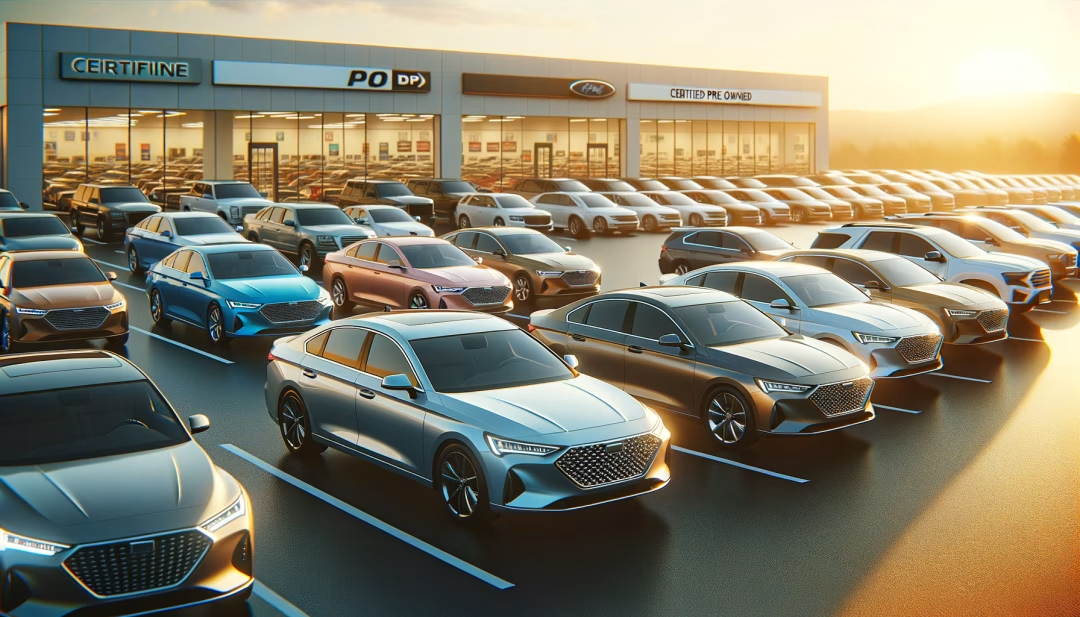
Certified pre owned vehicles, often called CPO, are used cars that meet a factory or dealer certification standard. They are typically newer model years, have mileage caps, pass a multi point inspection, and include extended warranty coverage beyond the original balance. Many programs add roadside assistance, complimentary maintenance for a set period, and special financing offers from the manufacturer lending arm.
A traditional used car is any pre owned vehicle sold as is or with a dealer service plan, not backed by a manufacturer certification program. These vehicles can span a wide range of age, mileage, condition, and price. While some used cars still carry remaining factory warranty or third party coverage, they generally do not include the added assurances of a formal CPO program. This flexibility can translate to significant initial savings and more choices across body styles, trims, and model years.
The exact checklist depends on the brand, but most CPO inspections include engine and transmission performance, fluids and filters, brake life and rotor condition, tire tread depth and age, frame and underbody, suspension components, steering, HVAC, all safety systems and airbags, lighting, glass, interior functions and infotainment, driver assistance features, battery health, and a road test. Reconditioning is performed to meet minimum standards. Ask to see the full inspection checklist and the repair order for transparency.
CPO warranties vary. Some brands add a long limited warranty that begins at the certification date, while others extend the original factory warranty by a set number of years or miles. Powertrain coverage often lasts the longest, while bumper to bumper coverage is shorter. Traditional used cars may be sold as is, may carry the balance of original warranty if still in period, or may include dealer service plans or third party warranties. Read the contract carefully to understand what is covered, deductible amounts, and claim procedures. For deeper reading, see used-car-warranty-guide and extended-warranty-for-used-cars.
On average, certified pre owned vehicles command a premium over similar non certified used cars because of inspection costs, reconditioning, and warranty value. That gap can range from a few hundred to several thousand dollars, depending on model and brand. Over the long term, CPO buyers may save on surprise repairs covered by warranty, while used car buyers may save more upfront but should budget for near term maintenance such as tires, brakes, fluids, battery, and suspension components. Balancing these tradeoffs is the key to picking the right option for your budget. If you want help modeling payments and ownership costs, explore payment-options and our budgeting insights on blog.
Choose certified pre owned if you value added peace of mind, prefer a newer vehicle with modern safety tech, want roadside assistance included, and expect to keep the car for the warranty period. CPO can be smart for first time buyers, families who want predictable costs, and commuters who rack up miles fast. It can also fit shoppers who plan to resell within a few years, since CPO vehicles often retain strong resale values. For brand specific reliability research, visit resources like most-reliable-used-cars and model lists such as best-used-sedans and best-used-suvs.
Select a traditional used car if your top goal is the lowest purchase price, if you are open to more model years and mileages, or if you enjoy researching condition and service records to find an exceptional value. Budget minded buyers, enthusiasts chasing specific trims, and drivers who plan to upgrade again soon often prefer non certified used vehicles. To see a wide variety of options, explore used-inventory and compare recent purchases in sold-inventory.
Some lenders and captives offer lower promotional rates on CPO vehicles that meet certain criteria. Traditional used cars still qualify for competitive financing, though rates can vary by age and mileage. Insurance costs are influenced more by model, safety features, and claims history than by certification status. To understand how financing works and typical requirements, review how-does-used-car-financing-work, used-car-loan-interest-rates, and approval guidance at how-to-get-approved-for-a-used-car-loan.
Certification does not erase depreciation, but it can improve marketability when you sell. Vehicles with strong brand reliability, good safety ratings, and service records tend to hold value better, whether certified or not. Shoppers who want the best long term value can research pages like used-cars-that-hold-their-value, used-cars-with-best-resale-value, and most-reliable-used-suvs.
Deep dive into buyer education and side by side comparisons to refine your shortlist. Explore how-to-buy-a-used-car, what-to-look-for-when-buying-a-used-car, used-car-depreciation-guide, and our related page certified-pre-owned-vs-used. Brand and model research can continue at best-used-cars-by-brand and reliability overviews such as most-reliable-used-toyota-models and most-reliable-used-honda-models.

