
Shopping for a pre owned vehicle is easier when you know the best places to buy used cars and exactly what each option offers. This guide breaks down the pros and cons of buying from franchised dealerships, independent dealers, online retailers, private sellers, and auctions. You will also find steps to evaluate vehicle history, compare pricing, arrange financing, and plan an inspection and test drive. If you are just starting out, browse our current Used Inventory, read model comparisons on our Blog, or explore our in depth How to Buy a Used Car guide. Whether you value warranty coverage, flexible payment paths, or the lowest possible price, this page shows you where to look, how to verify a good deal, and how to avoid common pitfalls so you can buy with confidence.
The right place to buy depends on your budget, timeline, and comfort with research. Dealerships tend to offer more protection and service options, while private sales may deliver lower upfront prices. Use the comparisons, checklists, and links below to choose your path, validate condition and value, and move from short list to test drive with clarity.
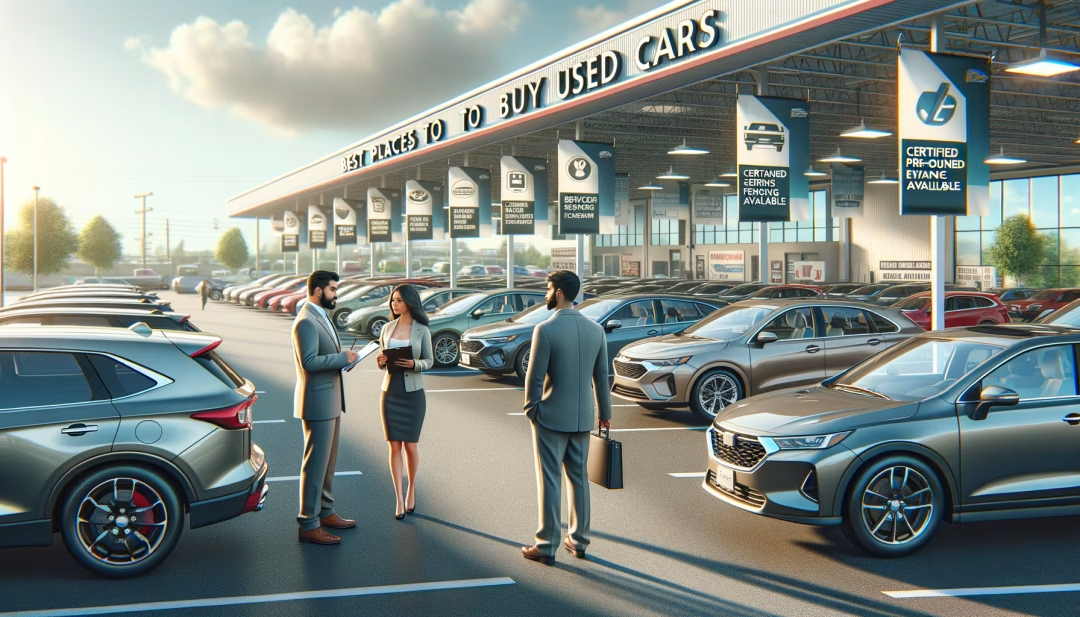
Today’s used car market gives you several legitimate paths to a great vehicle. The key is deciding which path fits your needs for price, protection, convenience, and selection. Below is a practical comparison of the best places to buy used cars, followed by step by step advice you can use anywhere you shop.
Franchised dealerships represent major brands and often carry trade ins as well as certified pre owned vehicles. You will find professional reconditioning, access to manufacturer level service tools, and finance expertise. If you prefer documented inspections, service records, and warranty options, this is a strong choice.
Start by checking our Used Inventory and research pages like Best Used SUVs or Best Used Sedans to align your shortlist with your budget.
Independent dealers range from boutique specialists to larger local lots. Many offer solid reconditioning and flexible pricing, with vehicles sourced from trade ins and auctions. If you value local expertise and competitive prices, an independent lot can be a good fit.
Online shopping offers speed, transparency, and at home browsing. You can compare prices and features across thousands of vehicles, filter by mileage and accident history, and read owner reviews. Delivery and return windows may be available, but fees can add up and in person inspections may be limited before purchase.
Buying from a private party can deliver a lower price because overhead is minimal. It also requires more homework. You will arrange financing, insurance, title transfer, and inspection yourself. If you prefer a budget first path and are comfortable with extra steps, this can work well.
Auctions may deliver bargain prices for experienced buyers, but they are unpredictable and usually final sale. Many cars are sold as is and may have limited details. If you are new to the process, read our Used Car Auction Guide before bidding.
Choosing the best place to buy used cars starts with honestly ranking what matters most to you: price, protection, speed, or selection. Then match your priorities to the source that delivers those strengths. Use the decision cues below as a quick filter.
No matter where you buy, a consistent process protects your budget and your peace of mind. Use the steps below to verify condition, value, and financing before you sign.
Focus your search on models known for reliability and low ownership costs. Explore our research hubs like Most Reliable Used Cars, Used Cars with Best Resale Value, and fuel economy pages such as Used Cars with High MPG. If you have a specific need, try focused guides like Best Used Cars for Teens or Best Used Vehicles for Winter Driving.
Review the vehicle history report and confirm the VIN, title status, and maintenance records. Then compare pricing to similar vehicles by year, trim, mileage, and condition. Our resources make this easier.
Secure a pre approval or explore dealer assisted financing to understand your true budget and payment comfort zone. Clarify down payment, term length, and interest rate before negotiations begin. Learn more here:
Even the best listing cannot replace a hands on evaluation. Use our inspection and test drive tools to check for leaks, unusual wear, and driving behavior. If possible, arrange a third party inspection.
Enter negotiations with comparable listings, inspection results, and financing in hand. Be clear on must haves and nice to haves, and let the numbers drive the conversation. Use these references:
If you have a trade, document maintenance and upgrades to maximize value. Confirm taxes, title, registration, fees, and warranty terms in writing before you finalize.
Market timing and ownership planning can make a great deal even better. Prices often fluctuate by season, interest rates, and local supply. Aligning your purchase window and choosing models with strong value retention can save thousands over the life of your vehicle.
Dealerships remain a top choice because they combine reconditioned inventory, lending options, trade in simplicity, on site service, and state regulated paperwork processing. If you want a streamlined path from browsing to ownership, explore our Used Inventory, learn about flexible Payment Options, and meet the team behind the process on Meet Our Staff and About Us.
Use these pages to compare vehicles and make an informed decision before you visit.

