

Top Models, Sizes, and Smart Buying Tips
Big, bright infotainment screens make daily driving easier and more enjoyable. If you are searching for used cars with the largest touchscreens, this guide shows you what sizes to expect, which models tend to have the biggest displays, and how to evaluate features like Apple CarPlay, Android Auto, camera clarity, and voice control. Many late-model vehicles now offer 11 to 17 inch touchscreens, including select trims of popular trucks and SUVs, innovative EVs, and well equipped luxury models. Screen size alone is not everything, so we also explain software versions, over the air updates, and screen ergonomics that affect real world usability. For current availability, see used-inventory, and look to research pages such as used-cars-with-apple-carplay-and-android-auto and used-cars-with-best-infotainment-systems for deeper comparisons. If you are upgrading from a smaller display, you will find practical tips below to help you choose confidently and keep ownership costs predictable.
Our team evaluates infotainment performance alongside condition, history, and value, so you can compare large screen vehicles with clarity. Trim and software differences matter, and we note them wherever possible. For financing flexibility and protection, explore payment-options and applications. For post purchase care, schedule-service and contact-us provide support for updates, diagnostics, and accessories that optimize your in car tech for years to come.
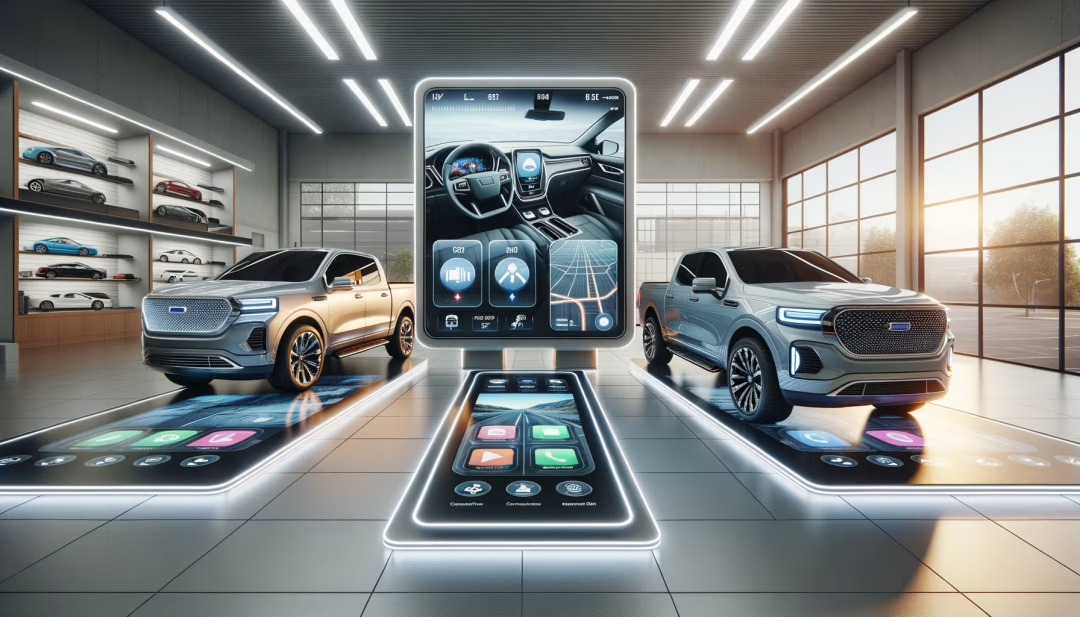
Why used cars with large touchscreens are in demand
Large touchscreens reduce distraction by making key controls and maps easier to see at a glance. Bigger tiles, wider camera views, and simpler on screen menus can shorten the time your eyes are off the road. Modern systems also integrate wireless Apple CarPlay and Android Auto, enhanced voice assistants, and advanced cameras that aid parking and towing. The best systems combine size with smart layout, responsive software, and helpful physical shortcuts or knobs for volume and temperature.
Common screen sizes and what they mean
Screen size is measured diagonally and varies by model year and trim. Orientation matters too. Portrait screens often excel for maps and scroll heavy menus, while wide landscape screens can show multiple panels side by side. Here is a quick guide to typical used sizes:
- 10.0 to 10.9 inch: A meaningful step up from 8 inch units, often with crisper maps and improved split views.
- 11.0 to 11.9 inch: Tall portrait layouts or wide panels with room for camera overlays and climate shortcuts.
- 12.0 to 13.4 inch: A sweet spot in trucks and SUVs, enabling multi pane views and clearer towing or off road apps.
- 14.0 inch and larger: Flagship feel, often paired with fast chips, better voice control, and the most advanced camera suites.
Standout used vehicles known for very large screens
Availability and screen size vary by year and trim. Always confirm the specific vehicle details in used-inventory. The examples below can help you target the right configurations.
Trucks and SUVs
- Ram 1500 2019 plus: Optional 12 inch Uconnect portrait screen with towing apps, off road pages, and a clear camera view. Heavy duty Ram 2500 and 3500 offer similar setups in higher trims.
- Ford F 150 2021 plus: 12 inch SYNC 4 landscape screen on many trims, strong voice control and split views for trailering and off road menus.
- Chevrolet Silverado 1500 and GMC Sierra 1500 2022 plus refresh: 13.4 inch Google built in systems, quick responses, and robust camera integrations on select trims.
- Toyota Tundra 2022 plus: 14 inch landscape screen, clear navigation, and smooth wireless smartphone integration in higher trims.
- Jeep Grand Wagoneer 2022 plus: 12 inch central display with additional passenger and rear screens on some trims for a true flagship experience.
- Subaru Outback and Legacy 2020 plus: 11.6 inch portrait display with logical climate placement and clean mapping.
- Ford Explorer 2020 plus: Available 10.1 inch portrait display in select trims, with useful camera and parking views.
- Kia Telluride and Hyundai Palisade 2023 plus: 12.3 inch wide screens on many trims, excellent visibility and refined interfaces.
- Ford Escape 2023 plus: Available 13.2 inch SYNC 4 touchscreen with streamlined menus and wireless smartphone mirroring.
- Lexus NX 2022 plus and RX 2023 plus: Up to 14 inch screens with refined haptics and improved voice interaction on newer years.
EVs and advanced sedans
- Tesla Model 3 and Model Y 2018 plus: 15 inch landscape touchscreens with frequent software updates and clean navigation layout.
- Tesla Model S 2021 plus: 17 inch landscape unit and powerful graphics. Earlier Model S years feature a 17 inch portrait screen with a different interface feel.
- Ford Mustang Mach E 2021 plus: 15.5 inch portrait screen, large tiles and intuitive menus, strong over the air update track record.
- Cadillac Escalade 2021 plus: 16.9 inch central OLED display within a curved array. Check trim specifics for exact layout and features.
- Nissan Ariya 2023 plus: Dual 12.3 inch screens deliver a wide, continuous visual experience and efficient navigation workflow.
- Volkswagen ID.4 2021 plus: Up to 12 inch touch interface on certain trims, minimalist design and simple smartphone integration.
Features that matter beyond screen size
Bigger screens are great, but the total experience depends on connectivity, controls, and clarity. Use this checklist as you compare vehicles in used-inventory:
- Smartphone mirroring: Verify Apple CarPlay and Android Auto, and whether they are wireless or wired. See used-cars-with-apple-carplay-and-android-auto for model ideas.
- Camera quality: Look for high resolution backup, surround view, and trailer cameras where applicable. Night clarity matters for safety.
- Voice assistant: Modern systems reduce touch reliance. Test for natural language commands, especially for navigation and calls.
- Physical shortcuts: A volume knob and climate toggles can make common tasks quicker in motion, even with a large display.
- Software updates: Some brands support over the air updates for maps, apps, and system stability. Confirm update history on the specific VIN.
- Navigation options: Built in maps are handy where connectivity is limited, even if you mostly mirror your phone.
Ownership insights: reliability, care, and long term costs
Infotainment systems are electronic components that benefit from proper care. Screen delamination or dead pixels are rare but can occur with heavy heat or impact. Replacement costs vary widely by model, so consider coverage in used-car-warranty-guide or extended-warranty-for-used-cars if you value predictable ownership costs. Simple habits like routine software updates and gentle cleaning go a long way.
- Cleaning: Use a soft microfiber cloth slightly dampened with screen safe cleaner. Avoid ammonia products to preserve anti glare coatings.
- Glare management: Some owners add matte screen protectors for bright climates. Verify touch sensitivity after installation.
- Privacy: Disable stored contacts and navigation history before service appointments and when selling or trading a vehicle.
How to confirm the exact screen on a specific vehicle
Different trims within the same year can have drastically different infotainment hardware. Within used-inventory, look for interior photos, feature lists, and trim codes. If you are comparing recently sold examples, sold-inventory can help you identify typical configurations for certain trims and years.
- Check the build sheet or window sticker if available for infotainment packages or technology groups.
- Zoom into dash photos to confirm screen orientation and bezel design. Verify camera and climate tile placement.
- Cross reference with research pages like used-cars-with-best-infotainment-systems for expected sizes by trim.
Large screen trucks for work and towing
If you tow or haul, a bigger display can improve camera views, trailer profiles, and guidance lines. Trucks such as Ram 1500 with 12 inch Uconnect, Ford F 150 with 12 inch SYNC 4, and Silverado or Sierra with 13.4 inch Google built in stand out for camera clarity and trailer app depth. For more truck guidance, explore best-used-trucks and best-used-trucks-for-work, and if you tow campers or boats, see best-used-trucks-for-towing-campers and best-used-vehicles-for-boat-towing.
Family SUVs with big screens
Family friendly SUVs balance a large screen with an easy interface that any driver can use quickly. Kia Telluride and Hyundai Palisade 2023 plus, Jeep Grand Wagoneer, Lexus RX and NX, and Toyota Tundra based SUVs with newer tech packages deliver both size and simplicity. If family practicality is the priority, see best-used-family-cars, best-used-3-row-suvs, and best-used-suvs for more context.
EVs with the very largest displays
EV cabins often showcase the biggest touchscreens and fastest interfaces. Tesla Model 3 and Model Y offer a 15 inch landscape screen with frequent software improvements, while the updated Tesla Model S features a 17 inch display. The Ford Mustang Mach E provides a 15.5 inch portrait unit that is easy to learn and fast to use. To compare EV range and value, visit best-used-electric-vehicles and best-used-electric-cars-under-25000.
Budget, value, and total ownership
You can find big screens in a wide range of prices. Some 2019 to 2020 trucks with 12 inch systems are strong values, while 2022 plus SUVs and EVs may carry higher prices due to newer hardware. Balance screen size with fuel economy, maintenance, insurance, and resale. Helpful data pages include used-cars-with-lowest-cost-of-ownership, used-cars-with-best-resale-value, used-cars-with-lowest-maintenance-costs, and used-cars-with-best-owner-reviews. For financing clarity, payment-options and applications outline choices that fit your budget strategy.
Test drive tips for large display vehicles
A short drive tells you how usable a big touchscreen will feel in your routine. Try a route with bright sun, a bumpy street, and a quick parking maneuver. Then evaluate the points below:
- Glare and fingerprints: Check visibility at noon sun and after light cleaning. Confirm the anti glare coating is intact.
- Camera speed: Shift into reverse and toggle views. A minimal delay is important in tight spaces and trailer alignment.
- Voice accuracy: Set a destination and a climate temperature by voice. Fewer corrections mean less distraction later.
- Physical redundancy: Ensure there are tactile controls for the functions you use most, like volume or defrost.
Helpful research links
Explore these pages for deeper comparisons, ownership guidance, and brand insights:
Frequently asked questions
About our process and resources
We track trim level differences, software revisions, and common equipment packages to help you compare vehicles clearly. You can browse helpful articles and tools across research pages like how-to-buy-a-used-car, used-car-buying-checklist, and used-car-warranty-guide. If you have questions, contact-us and meet-our-staff can connect you with product specialists. For location details or hours, see locations, and for transparency on site terms, review privacy-policy, terms, and visitor-agreement.
