

Smart Picks That Hold Their Resale
If you want a used car that keeps more of its worth over time, you are in the right place. This guide explains used cars with best value retention, why some models depreciate less, and how to choose smart. Value retention matters because it protects your budget when you trade, sell, or refinance later. Brands like Toyota, Honda, Subaru, Jeep, and select trucks have earned a strong reputation for holding value thanks to reliability, demand, and lower ownership costs.
Use this page alongside our helpful resources to make a confident decision. Explore inventory on Used Inventory, review recently sold examples on Sold Inventory, estimate what your current vehicle is worth on Value My Trade, and dive into model research on Research Center. When you are ready to learn more about pricing and ownership costs, read our detailed Used Car Depreciation Guide and Ownership Cost Analysis.
Choosing a vehicle with strong value retention helps you save now and later. These models often come with proven reliability, steady demand, and predictable maintenance needs. Use our insights below to find trims, engines, and features that support long term value, then compare options in Used Inventory or review owner trends on the Blog.
What Value Retention Means And Why It Matters
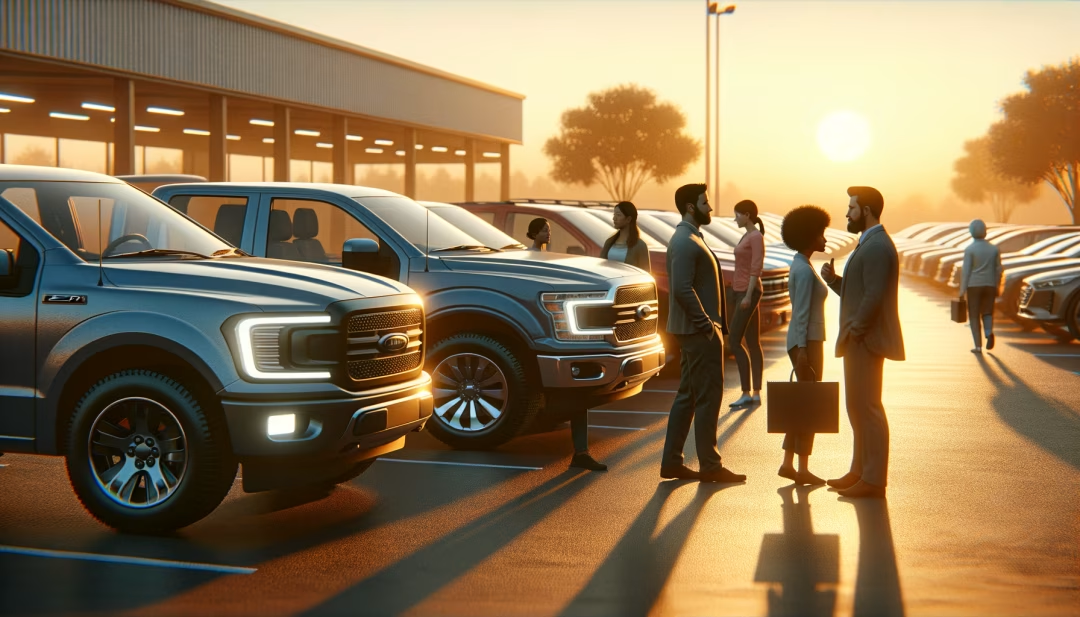
Value retention is the percentage of a vehicle price that remains over time. A used car that holds value well depreciates more slowly, which can lower your total cost of ownership and boost future trade value. Depreciation is strongest in the first years of ownership, then it typically slows as a vehicle ages. When you start from a used model that has already passed its steepest drop, your risk is lower and your exit options are better.
High demand, strong reliability records, reasonable repair costs, and favorable fuel economy all support better resale. Popular body styles and trims, clean accident history, and desirable features also play a role. You can learn more about these forces on our Used Cars With Lowest Depreciation and Used Cars With Best Resale Value pages.
Top Categories That Typically Hold Value
While value retention can vary by location and market conditions, the following categories often outperform.
- Compact and midsize sedans with strong reliability records, such as Toyota Corolla and Honda Civic
- Small and midsize SUVs known for longevity, such as Toyota RAV4, Honda CR V, and Subaru Forester
- Body on frame SUVs and off road favorites that command demand, such as Toyota 4Runner and Jeep Wrangler
- Popular trucks with strong towing reliability and loyal followings, such as Toyota Tacoma and full size mainstays
- Efficient hybrids and high mpg models with proven battery longevity, see Best Used Hybrid Cars and Used Cars With High MPG
Standout Models For Value Retention
These well known nameplates have a track record of strong resale performance when properly maintained and documented. Always verify condition, service history, and trim specific features.
- Toyota Tacoma and 4Runner, prized for durability, capability, and dedicated buyer demand
- Jeep Wrangler, which retains value through lifestyle appeal and aftermarket support
- Subaru Outback and Forester, known for standard all wheel drive and long service life
- Honda Civic and Accord, which balance reliability, fuel economy, and large buyer pools
- Toyota Corolla, Camry, and RAV4, backed by strong reliability data and wide parts availability
How To Identify A High Retention Used Car
You can spot a strong value play by combining market data with careful inspection. Start with pricing trends, then verify the specifics of the car in front of you.
- Research model year trends on Used Car Price Trends and Depreciation By Brand
- Prioritize clean history reports and consistent service, see How To Check Used Car History
- Choose popular colors and common option packages to widen future buyer interest
- Verify mechanical condition with a pre purchase inspection, use our Used Car Inspection Checklist
- Consider certified options when available, compare on Certified Pre Owned vs Used
Mileage, Age, And Condition: Finding The Sweet Spot
It is common to ask whether age or mileage matters more. Both are important, but condition and documentation often decide real world value. A slightly older vehicle with conservative mileage, one owner history, and complete service records can outperform a newer car with gaps in maintenance. Look for evidence of regular oil changes, fluid services, and timely replacement of wearable components.
Value retention is also influenced by how a vehicle was used. Highway driven miles are easier on mechanical parts than frequent short trips. Climate exposure, storage indoors, and rust prevention are important in northern regions. Review our Used Cars With Low Mileage Value guide to weigh mileage against price, and our Used Vehicles For Winter Driving to understand regional wear factors.
Features That Support Resale
Some features help a vehicle stand out later without adding excessive complexity or repair cost. Aim for technology that shoppers expect, combined with proven powertrains.
- Smartphone integration like Apple CarPlay and Android Auto, see Used Cars With Apple CarPlay And Android Auto
- Advanced safety features with strong crash test results, see Best Crash Test Ratings and Best Safety Ratings
- All wheel drive in snow states, or efficient hybrid trims where fuel costs are high
- Popular driver aids like adaptive cruise control and blind spot monitoring, see Adaptive Cruise Control and Blind Spot Monitoring
Ownership Costs And Protection Plans
A car that holds value is even better when it is cheap to own. Study maintenance schedules, tire costs, brake life, and fuel economy. Models with broad parts availability and simple drivetrains often cost less to maintain. See Lowest Maintenance Costs and Lowest Repair Costs to compare long term expenses.
Warranty coverage can also protect your investment. Read our Used Car Warranty Guide and Extended Warranty For Used Cars. If you plan to finance, compare options on Payment Options and get pre qualified on Finance Application. For rate education, see Used Car Loan Interest Rates and How To Get Approved For A Used Car Loan.
How Market Timing Affects Value Retention
Seasonality and broader economic forces can move prices. Trucks and SUVs may soften near year end in some regions, while fuel efficient cars can climb when gas prices rise. Inventory levels and interest rates also shape demand. Learn more in Used Car Market Trends, Used Car Price Trends, and How Interest Rates Affect Used Car Loans. If you are flexible on color or options, you can often secure a better example of a high retention model by watching inventory for a few weeks.
Negotiation And Documentation Tips
You do not need the lowest price to win on total value. You need the right car at a fair price with the right documentation. Use our Used Car Buying Checklist and How To Negotiate A Used Car Price to build a complete picture. Ask for service records, a full inspection report, tire depth and brake measurements, and any warranty paperwork. Confirm that all keys, manuals, and accessories are included, and check that all technology features work as expected. A complete file helps preserve value when you sell or trade later.
Best Picks By Driver Need
Your perfect value retainer depends on how you drive. Start with your daily use case, then choose from models known to keep demand strong.
- Commuters who want low cost reliability can look at Best Used Commuter Cars and Best Used Cars With Good Gas Mileage
- Families who need space can explore Best Used 3 Row SUVs and Best Used Family Cars
- Outdoor lifestyles and winter states often favor Best Used AWD Vehicles and Best Used Off Road SUVs
- Light towing and hauling shoppers should review Best Used Vehicles For Towing and Best Used Trucks Under 20000
Budget Friendly Value Retainers
You can still find strong value keepers on a budget if you focus on condition and service history. Consider older but proven trims and avoid rare engines or uncommon transmissions that raise repair risk. Our budget guides, including Best Used Cars Under 10000, Best Used Cars Under 15000, and Best Used Cars Under 20000, highlight models that balance price and quality. For buyers building credit, see Best Used Cars For Bad Credit and Can You Finance A Used Car With Bad Credit.
How To Protect Resale After You Buy
Preserving value does not stop at purchase. It continues with smart ownership. Follow the maintenance schedule, keep records, and fix small issues early. Use floor mats to protect carpets, store service receipts in a folder, and consider paint and interior protection where climate is harsh. When it is time to trade, bring two keys, original accessories, and a clean vehicle to showcase care. For service support, book on Schedule Service, and if you want to test a new fit, plan a visit on Schedule A Test Drive.
Helpful Links
Frequently Asked Questions About Used Cars With Best Value Retention
Trucks like Toyota Tacoma, body on frame SUVs such as Toyota 4Runner, off road icons like Jeep Wrangler, and reliable sedans and crossovers from Toyota, Honda, and Subaru often retain value well. Strong reliability data, high demand, and broad parts support help these models stay desirable.
Both matter, but condition and service history often carry the most weight. A well maintained vehicle with complete records can outperform a newer or lower mile car that lacks documentation. Aim for consistent maintenance and a clean history report to protect resale value.
Certified options can support resale because they include inspection standards and warranty coverage. The benefit varies by brand and model. Compare pricing, coverage length, and deductible terms against similar non certified units before deciding. See details on Certified Pre Owned vs Used.
Review historical pricing on our Used Car Price Trends page, compare depreciation for the brand, and factor in condition, mileage, features, and region. Then estimate your exit point using trade tools on Value My Trade and consider ownership costs from Ownership Cost Analysis.
Follow the maintenance schedule, keep all receipts, address small issues early, and protect exterior and interior surfaces. Store both keys and manuals. Document upgrades and tire replacements. Regular servicing through Schedule Service helps maintain performance and marketability.
Features that most buyers expect help value. These include CarPlay or Android Auto, blind spot monitoring, adaptive cruise control, and a backup camera. Niche options that raise repair costs or that few buyers want can limit demand. Aim for balanced equipment that fits common needs.
For store information, policies, and team contacts, visit About Us, Meet Our Staff, Privacy Policy, Terms, and Visitor Agreement. We also welcome feedback on Customer Survey and location details on Locations.
