

Comfort, Craftsmanship, and Durability
If you care about how a cabin looks, feels, and holds up, this guide to used cars with best interior materials will help you shop with confidence. We explain the differences between leather, synthetic leather, cloth, and specialty trims, how to spot quality, and which used models deliver upscale cabins without a luxury price. You will also find expert tips on evaluating seat support, soft touch surfaces, switchgear feel, and sound insulation during a test drive. Whether you want a refined family SUV, a quiet commuter sedan, or a truck with a premium cabin, we outline smart year ranges and trims that balance comfort with long term durability. Explore our used inventory, compare options, and dig into related research so you can choose a cabin that stays comfortable, cleans easily, and looks great mile after mile.
- Material comparisons and care tips
- Top used models with premium cabins
- Inspection checklist for interior quality
Interior quality shapes daily comfort, long term value, and ownership pride. Below you will find detailed breakdowns of leather versus synthetic leather, microfiber, and high grade cloth, plus which trims add real wood, aluminum, and soft touch panels. We also highlight used sedans, SUVs, and trucks known for plush seats, quiet cabins, and solid fit and finish. Use the links to research, compare, and map out a budget that matches your comfort priorities without overspending.
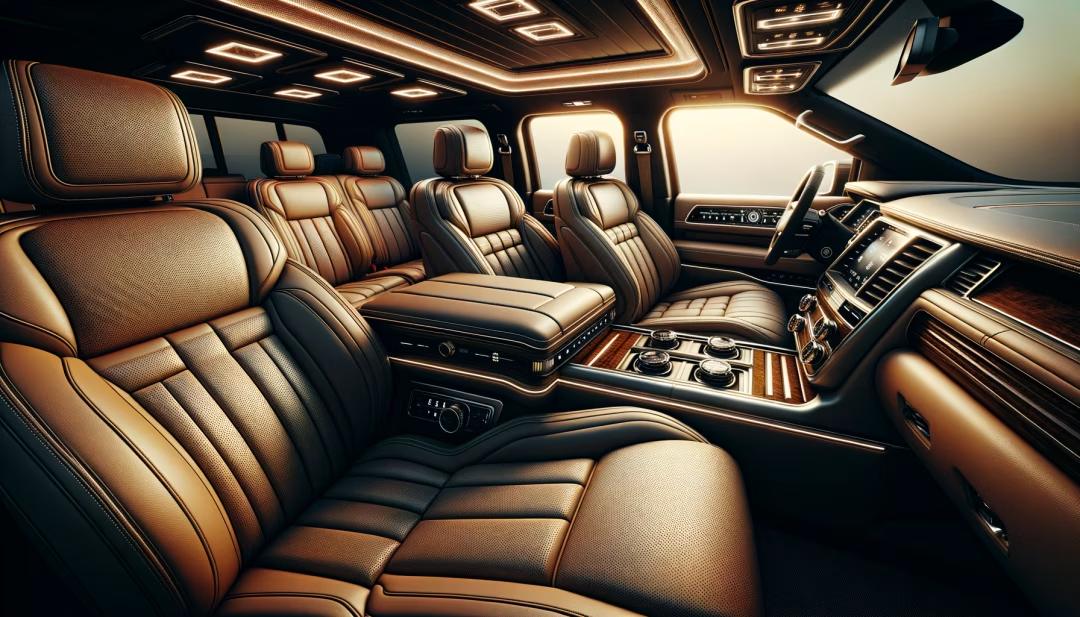
What makes an interior truly great in a used car
A great interior blends premium materials, smart ergonomics, supportive seats, and low noise levels. For used buyers, durability and easy cleaning matter as much as soft surfaces. When you compare cabins, do not judge only by leather seats or a stitched dash. Evaluate the whole environment, from door panel padding and console lids to the click and weight of knobs and switches. The best cabins feel cohesive, with consistent textures and tight panel gaps front to back.
Key interior materials explained
- Leather: Smooth, upscale feel and strong resale appeal. Look for higher grade hides and well kept bolsters. Condition matters more than age. Regular cleaning and conditioning preserves softness and prevents cracking.
- Synthetic leather: Often called leatherette or SofTex. Resists stains and wear, excellent for families and pets. Many newer synthetics breathe better and hold up well in hot or cold climates.
- Microfiber and Alcantara type suede: Sporty grip and premium look on seats and headliners. Requires gentle cleaners to avoid matting and discoloration.
- High quality cloth: Comfortable in temperature swings, less slippery, and easy to maintain. Modern woven fabrics resist pilling and can outlast low grade leather in daily use.
- Soft touch plastics: Padded dash and door uppers reduce glare and feel upscale. Check for tackiness, peeling coatings, or sun fade on older models.
- Real wood and aluminum trim: Authentic materials age well and add warmth or cool precision. Inspect for scratches, lifting veneers, or sharp edges around seams.
Comfort features that elevate daily driving
Materials set the tone, but comfort systems seal the deal. Seek multi way power seats with adjustable lumbar, memory settings, and tilt telescoping steering to dial in posture. Heated and ventilated seats help across seasons, while heated steering wheels make winter mornings easier. Dual or tri zone climate control, acoustic glass, and active noise cancellation add calm on long drives. An intuitive infotainment layout and clear instrument displays reduce distraction.
Used cars and SUVs known for standout interiors
The following models and trims are widely praised for cabin quality, soft touch coverage, and seat comfort. Always verify features by trim and year, and compare several vehicles in person.
- Mainstream sedans: Toyota Camry XLE and XSE, Honda Accord EX-L and Touring, Mazda6 Grand Touring Reserve. Consider 2018 to 2022 for modern design and improved sound insulation. See more on best-used-sedans and toyota-camry-vs-honda-accord-used.
- Mainstream SUVs: Mazda CX-5 Signature, Subaru Outback Limited and Touring, Hyundai Santa Fe Limited, Toyota RAV4 Limited. These trims blend plush materials with easy cleaning. Explore best-used-compact-suvs and best-used-midsize-suvs.
- Three row SUVs: Hyundai Palisade Limited and Calligraphy, Kia Telluride EX and SX, Toyota Highlander Platinum. Strong soft touch coverage with quiet cabins. See best-used-3-row-suvs and toyota-highlander-vs-honda-pilot-used.
- Luxury sedans: Lexus ES and GS, Acura TLX, Audi A6, BMW 5 Series, Mercedes E Class. Look for certified like care histories. Browse best-used-luxury-cars and most-reliable-used-luxury-brands.
- Luxury SUVs: Lexus RX, Acura MDX Advance, Volvo XC60 Inscription, Audi Q5 Premium Plus. Known for supportive seats and tasteful trim. Visit best-used-luxury-suvs and used-cars-with-quietest-cabins.
- Pickup trucks: Ram 1500 Limited and Laramie Longhorn, Ford F-150 Lariat and Platinum, GMC Sierra Denali. These cabins rival luxury SUVs in materials. Review best-used-trucks and best-used-trucks-for-work.
- Hybrids and EVs: Toyota Camry Hybrid XLE, Lexus ES 300h, Hyundai Ioniq Limited, Kia Niro EX Premium. Many pair eco powertrains with upscale cabins. See best-used-hybrid-cars and best-used-electric-vehicles.
Durability and easy maintenance by lifestyle
- Families and pets: Synthetic leather or high grade cloth resists stains from snacks, muddy paws, and booster seat friction. Seatback protectors and all weather mats go a long way.
- Hot climates: Lighter seat colors reflect heat. Ventilated seats and breathable fabrics increase comfort during summer commutes.
- Cold climates: Heated seats and steering wheel are worth prioritizing. Heavier cloth can feel warmer at start up than leather.
- Work trucks and gear haulers: Durable synthetic leather or vinyl on lower trims is easy to wipe down. For upscale work rigs, seek heavy duty seat covers to protect premium hides.
How to inspect a used interior like a pro
- Sit in every seat and test adjustments, lumbar, memory, heating, and ventilation. Listen for motor strain or uneven movement.
- Check seat bolsters, stitching, and dye transfer on light colors. Look for wrinkles, cracks, or loose seams on high wear spots.
- Press along the dash and door uppers. Quality soft touch areas should feel consistent without sticky residue or peeling coatings.
- Operate every switch, knob, and stalk. Quality cabins have smooth detents and consistent backlighting. Check infotainment response and pixel integrity on screens.
- Smell the cabin with climate control on recirculation and fresh air. Persistent odors can be hard to remove. Inspect under mats and in the spare tire well for moisture.
- Bring a microfiber cloth and gentle cleaner to spot test on an inconspicuous area. Verify that surfaces respond predictably without staining.
Smart year ranges and trims to target
A cabin can improve dramatically after a refresh, even within the same generation. For many mainstream models, 2018 to 2022 brings better sound insulation, broader soft touch coverage, and improved synthetic leather quality. For luxury brands, later mid cycle updates often fix early material quirks, such as glossy trim that scratched easily or adhesive issues that led to peeling. Review our research pages, owner feedback, and inspection notes on a per model basis to pinpoint sweet spots with strong value and fewer known interior wear complaints.
Balancing comfort, quality, and budget
You do not need top trims to enjoy a refined cabin. Mid trims with an appearance or premium package often add leatherette seating, a leather wrapped steering wheel, and padded door trims without the full cost of panoramic roofs or advanced driver aids. If you want real leather, focus on trims where it was standard rather than optional, so you avoid surprises. For buyers sensitive to noise, test drive on rough pavement to judge isolation. Soft seat foam can feel great in a short demo but may lack support after an hour, so plan a longer route if possible.
Related research and comparisons
Use these resources to compare comfort, materials, and value across segments and budgets.
- Used Cars With Best Interior Quality
- Best Used Sedans | Best Used SUVs | Best Used Trucks
- Best Used Luxury Cars | Best Used Luxury SUVs
- Used Cars With Quietest Cabins | Used Cars With Most Comfortable Ride
- Best Used Cars With Heated Seats | Used Cars With Best Sound Systems
- Used Inventory | Sold Inventory | Value My Trade
- How To Buy A Used Car | Used Car Inspection Checklist
- Best Used Cars With Low Maintenance Costs | Used Cars With Best Resale Value
- Blog | Research Hub
Next steps and helpful tools
When you narrow your list, compare vehicles in person to confirm materials, seat support, and cabin quiet. Review service records and consider an independent inspection focused on water intrusion, seat mechanism function, and infotainment health. For trade in guidance and budget planning, explore our valuation and finance resources below.
