

CR-V Used Comparison Guide
Shopping for a dependable compact SUV and deciding between a used Toyota RAV4 and a used Honda CR-V. You are in the right place. Both models are known for long term reliability, strong resale value, family friendly space, and fuel saving powertrains. Yet they deliver slightly different strengths that can help you choose the best match for your needs and budget.
This guide breaks down real world ownership factors for pre owned RAV4 and CR-V models, including reliability records, fuel economy, cargo room, tech and safety features, winter driving confidence, maintenance expectations, and smart model years and trims to consider. You will also find links to helpful research, financing education, and inventory tools across our site so you can explore further at your own pace. Compare confidently, learn what to look for during a test drive, and discover which SUV fits your lifestyle best.
Whether you value all wheel drive traction, class leading cargo versatility, or hybrid efficiency, this comparison highlights how each SUV excels in daily driving and long term ownership. Use the resources linked below to continue your research, check trade in value, review financing education, and see market trends for compact SUVs before your visit.
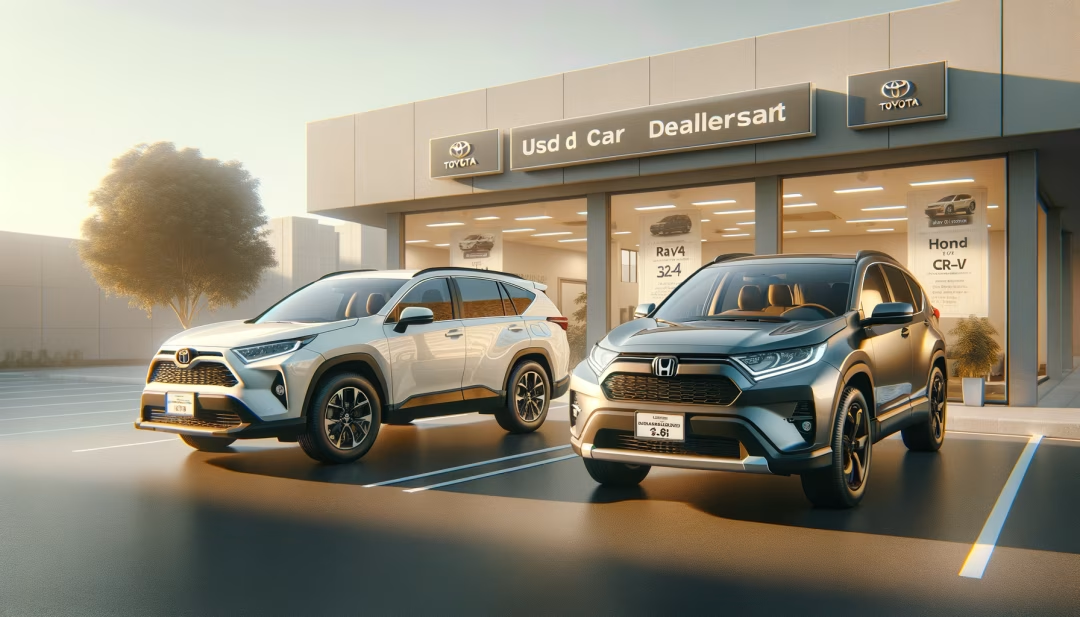
Used Toyota RAV4 vs Honda CR-V Overview
The Toyota RAV4 and Honda CR-V have been two of the top selling compact SUVs for decades, thanks to consistently high reliability ratings, strong safety scores, and excellent practicality. On the used market, they are standouts for shoppers who want a versatile vehicle that will keep costs predictable over many years. Generally, the RAV4 emphasizes rugged styling, a slightly firmer and more composed feel, and a broad mix of gas and hybrid options. The CR-V leans into smooth ride quality, outstanding packaging, and a quiet cabin that punches above its price. Both offer front wheel drive and available all wheel drive, modern driver assistance features on more recent model years, and impressive resale value that protects your investment over time.
Reliability and Ownership Costs
When you choose either of these SUVs, you are prioritizing reliability. Toyota and Honda consistently rank near the top for long term durability and low repair frequency, with many owners reporting odometer readings well past 200,000 miles when maintenance is kept up. If your primary concern is few surprises and predictable bills, both are excellent bets. The Toyota RAV4 often posts slightly higher resale value, while the Honda CR-V is frequently praised for low running costs and a refined driving experience. To explore reliability leaders and value retention across brands, visit most-reliable-used-suvs, used-cars-with-best-resale-value, and used-cars-that-hold-their-value.
Performance, Fuel Economy, and Drivetrain Choices
Both SUVs provide confident daily performance, with engines tuned for efficiency and responsiveness rather than raw speed. You will commonly find 4 cylinder gas engines across model years, with the RAV4 offering popular hybrid trims that deliver excellent real world mpg and brisk low speed torque. The CR-V is also known for strong fuel economy, especially in later turbocharged trims and recent hybrid models. If you regularly face snow, all wheel drive is widely available on both SUVs. To compare fuel savers and hybrid options across segments, explore used-cars-with-high-mpg, used-suvs-with-best-mpg, and best-used-hybrid-cars.
Interior Space, Comfort, and Cargo
The Honda CR-V is celebrated for interior packaging and rear seat comfort, with an airy cabin, wide door openings, and generous rear legroom. The Toyota RAV4 offers a more athletic cabin design with supportive seats and user friendly controls. Cargo space is competitive on both, and either SUV will handle strollers, groceries, sports gear, or light home improvement runs with ease. If your weekend plans include camping or mountain trips, both models convert easily for long items or bulky gear. For more family friendly picks, check best-used-family-cars and best-used-crossover-suvs.
Technology and Safety Features
On more recent model years, both the RAV4 and CR-V include advanced safety suites such as automatic emergency braking, lane keeping assist, and adaptive cruise control, often standard on mid to late cycle refreshes. Infotainment systems are straightforward, and later years add smartphone integration and larger screens. If maximum safety scores are on your checklist, visit used-cars-with-best-crash-test-ratings, safest-used-suvs, and used-cars-with-best-driver-assistance for deeper research on features and ratings across brands and years.
Model Years and Trims to Consider
In the used market, the sweet spot often blends modern driver assistance features, updated infotainment, and value pricing. If you are browsing late 2010s to early 2020s examples, you will likely find the right combination of safety tech, mpg, and comfort for a fair price.
- Toyota RAV4: Consider popular trims like XLE, Adventure, and Limited for comfort and upgrades. RAV4 Hybrid trims deliver excellent mpg without sacrificing space.
- Honda CR-V: EX, EX-L, and Touring trims often include desirable driver aids and premium touches. Recent hybrids offer quiet operation and strong mileage.
If you prefer maximum value for money, look for vehicles with documented service history and a clean vehicle history report. For deeper guidance on choosing the right year, see best-used-rav4-years and best-used-honda-crv-years if available in the blog, plus used-car-buying-checklist and used-car-inspection-checklist.
All Wheel Drive Confidence and Winter Readiness
Both SUVs provide secure handling in adverse weather when equipped with all wheel drive, with snow mode features on some RAV4 trims and well tuned traction systems on the CR-V. Winter tire fitment further enhances stopping power and control in snow or slush. For more guidance on cold climate picks and preparation, visit best-used-vehicles-for-winter-driving and best-used-cars-for-snow.
Towing, Roof Loads, and Weekend Gear
Compact SUVs like the RAV4 and CR-V are built for light duty towing and everyday versatility, not heavy hauling. Many trims can tow small utility trailers or lightweight campers when properly equipped. Roof rails accommodate cargo boxes or bike racks, and split folding rear seats create a flat load floor to maximize usable space. If you need more capability for boats or heavier campers, try best-used-vehicles-for-towing or best-used-trucks-for-work.
Resale Value and Depreciation
Toyota and Honda models are known to keep their value well, which protects you when it is time to move on to your next vehicle. The RAV4 often edges out on resale strength, especially in hybrid trims, while the CR-V remains a favorite for its broad appeal and owner satisfaction. Review used-cars-with-best-resale-value, used-cars-with-lowest-depreciation, and used-cars-with-best-value-retention to see how each ranks among compact SUVs.
Maintenance, Common Wear Items, and Budgeting
Routine maintenance for both SUVs is straightforward and budget friendly. Expect regular oil changes, engine air filter and cabin filter replacements, brake pad service, coolant and transmission fluid service per the maintenance guide, and tire rotations. Hyundai and Kia often advertise longer warranties, but Toyota and Honda shine in low repair frequency over time. Learn more about budgeting and ownership planning at used-cars-with-lowest-maintenance-costs and used-cars-with-lowest-cost-of-ownership.
Shopping Tips for a Great Used RAV4 or CR-V
- Verify maintenance records and confirm completion of open recalls before purchase. See used-vehicles-with-lowest-recall-rates.
- Inspect tires for even wear and confirm proper function of all wheel drive, drive modes, and advanced driver aids on a test drive.
- Evaluate infotainment responsiveness and smartphone integration if those features matter to you. See used-cars-with-apple-carplay-and-android-auto.
- Compare several VINs to understand feature differences and pricing. Visit used-inventory and sold-inventory for context.
Budget, Pricing, and Market Context
Compact SUVs remain popular, and prices can vary with mileage, condition, features, and seasonality. Hybrids and all wheel drive examples may command a premium, while front wheel drive gas models can offer more value. To ground your budget planning, explore average-used-suv-price, used-car-prices-by-year, and used-car-market-trends. You can also research payment education at how-to-finance-a-used-car, used-car-loan-interest-rates, and how-much-down-payment-for-used-car, then review payment-options and applications when you are ready to go deeper into financing scenarios.
Who Should Choose Each SUV
- Choose a used Toyota RAV4 if you want available hybrid efficiency, slightly more rugged styling, composed handling, and standout resale strength.
- Choose a used Honda CR-V if you prioritize a smooth ride, quiet cabin, class leading rear seat and cargo packaging, and refined day to day comfort.
Trade In, Pre Purchase Research, and Next Steps
If you have a vehicle to trade, getting an estimate can help you plan your budget. Visit value-my-trade for guidance, and check how-to-value-a-used-car and used-car-vin-check-guide to review history data before you make a decision. For more research depth on specific segments and comparisons, browse best-used-crossover-suvs, most-reliable-used-suvs, and toyota-camry-vs-honda-accord-used for another look at Toyota and Honda philosophies in a different body style.
Helpful links for your research
Toyota RAV4 vs Honda CR-V Used FAQs
Keep exploring the rest of our site to compare trims, research financing education, and see current market context. Helpful pages include used-inventory, research-page-template, blog, about-us, contact-us, and privacy-policy for policy details.
