

Picks, Capacities, and What to Look For
Choosing the best used trucks for towing starts with matching real-world needs to the right powertrain, chassis, and equipment. Whether you are pulling a camper, a pair of ATVs, a ski boat, or a work trailer, the keys to confident towing are torque, cooling, gearing, and brakes. This guide explains towing terms, highlights dependable truck picks across size classes, and shows how to evaluate a pre-owned truck for serious hauling. You will also find recommended features like integrated trailer brake controllers, factory tow packages, and 7 pin wiring, plus tips to balance payload and tongue weight for safe, stable travel. Inventory changes often, so it helps to compare options and verify each truck’s specific tow rating. Explore current choices in Used Inventory, scan recent insights on the Blog, or dig deeper with our Research hub. When properly equipped, the right used pickup can tow with ease and last for years.
Towing readiness is more than a big number on a spec sheet. It includes axle ratio, cooling capacity, brakes, tires, and the condition of the hitch and wiring. For total ownership planning, review options in Payment Options, check market value in Value My Trade, and see where to find us under Locations. If you need hitch installation or inspection, the Service Scheduler is a helpful resource, and general questions can be directed through Contact Us.
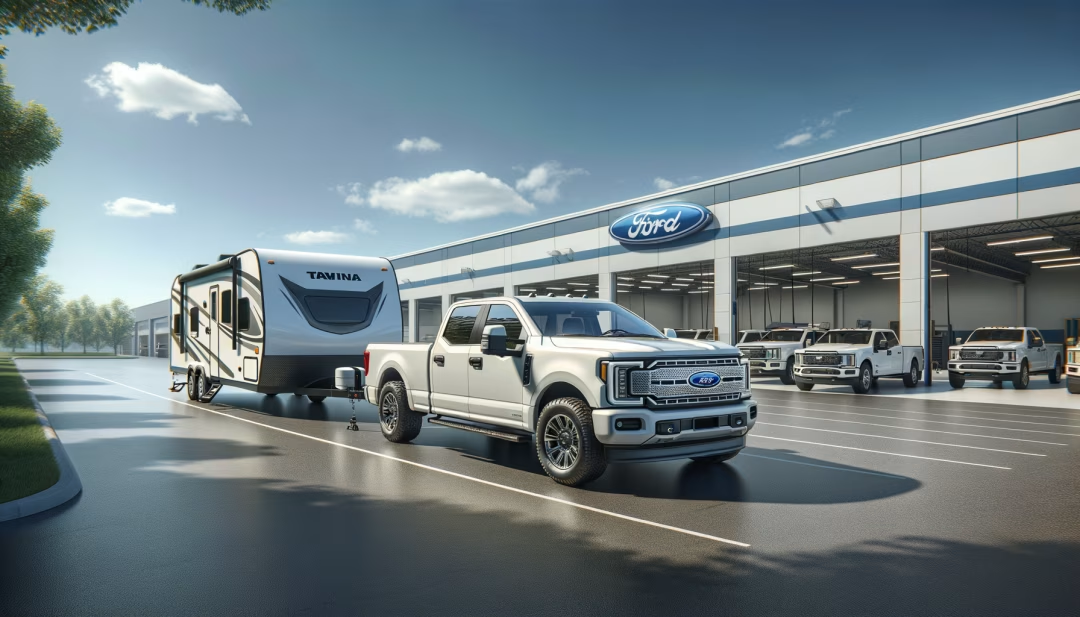
How to Choose a Used Truck for Towing
Start by estimating your fully loaded trailer weight. Include water, fuel, gear, people, and anything stored in the truck. Compare that weight to the truck’s maximum tow rating and factor in payload, which covers tongue weight plus passengers and cargo. Tongue weight typically ranges from 10 to 15 percent of total trailer weight for conventional towing. For example, a 7,000 pound trailer puts about 700 to 1,050 pounds on the hitch, which counts against payload along with occupants and bed cargo. A truck that can tow the load but lacks sufficient payload may still be overloaded.
Key Ratings and Terms
- GVWR: The truck’s maximum allowed weight including passengers, cargo, and tongue weight.
- GCWR: The combined limit of truck plus trailer at maximum load.
- Payload: What the truck can carry in the cab and bed, including tongue weight.
- Axle ratio: Shorter gearing improves low speed pulling and can raise tow ratings.
- Hitch class: Class III to V are common for towing larger loads with pickups.
Must Have Towing Features
- Factory tow package with upgraded cooling, hitch receiver, 7 pin wiring, and often an integrated brake controller
- Transmission and engine oil coolers to manage heat under load
- Tow haul mode, trailer sway control, and extendable or wide angle mirrors
- Appropriate tires with sufficient load rating; heavy towing often benefits from LT tires
Best Used Half Ton Trucks for Towing
Half ton trucks balance capability, comfort, and cost. Recent model years of popular 1500 class pickups can tow from roughly 9,000 to more than 13,000 pounds when properly equipped. Actual ratings vary by cab style, bed length, drivetrain, engine, axle ratio, and tow package. Always verify the rating on the door jamb sticker and in the owner’s manual for a specific truck.
- Ford F 150: When properly equipped, late model trucks can exceed 13,000 pounds. Look for engines like the 3.5L EcoBoost and a higher numerical axle ratio with the Max Trailer Tow Package.
- Chevrolet Silverado 1500 and GMC Sierra 1500: Properly configured gas V8 or certain turbo diesel options can approach the low 13,000 pound range. Seek trailering packages with enhanced cooling and 7 pin wiring.
- Ram 1500: A smooth riding half ton that can reach into the 12,000 pound range when configured for towing. Air suspension can help level loads when properly set up.
- Toyota Tundra: Known for durability. Properly equipped trucks can tow around 10,000 to 12,000 pounds depending on year and configuration.
- Nissan Titan: Capabilities vary by year, often in the 9,000 to 10,000 pound range when set up correctly.
If you regularly haul heavier campers or enclosed work trailers, consider trucks with integrated trailer brake controllers and a weight distributing hitch rated for your load. For budget focused picks, see Best Used Trucks Under 20000 and broader options on Best Used Trucks. For model by model deep dives, our Research hub provides added context.
Best Used Midsize Trucks for Lighter Towing
Midsize trucks offer easier parking and often better fuel economy while still handling small campers, boats, and utility trailers. Properly equipped, several models tow between 6,000 and 7,700 pounds. They can be excellent for occasional towing and daily driving.
- Toyota Tacoma: Typically up to about 6,800 pounds when properly equipped. Durable and off road friendly with the right package.
- Ford Ranger: Often around 7,500 pounds with tow package and the turbo four cylinder providing strong torque.
- Chevrolet Colorado and GMC Canyon: With the right setup, some models reach up to about 7,700 pounds. Diesel configurations in certain years are known for strong low end torque.
- Nissan Frontier: Typically in the 6,000 pound range when configured for towing.
Heavy Duty Trucks for Maximum Towing
If your trailer weight is routinely in the mid teens or higher, step up to three quarter ton or one ton trucks. Properly equipped 2500 and 3500 series pickups can tow very heavy loads and provide higher payload for hitch weight, tools, and passengers. Diesel engines excel for long grades thanks to abundant low end torque and exhaust brake features in some models. When evaluating heavy duty trucks, confirm rear axle ratings, hitch class, tire load range, and the presence of a factory fifth wheel or gooseneck prep package if needed.
Gas vs Diesel for Towing
- Gas engines: Lower upfront price and maintenance cost, quick warming in cold climates, strong performance in modern turbo and V8 applications.
- Diesel engines: Excellent low end torque, efficient on long highway hauls, potential exhaust brake for downhill control on certain models.
Choose based on trip length, trailer weight, terrain, and service availability. For a work centric overview, check Best Used Trucks for Work.
Pre Purchase Towing Inspection Checklist
- Frame and underbody: Look for excessive rust, repaired damage, or hitch mount deformation.
- Hitch and wiring: Verify proper class rating, 7 pin connector function, clean grounds, and working trailer lights.
- Cooling system: Radiator and transmission cooler condition, no leaks, fans engage under load on test drive.
- Brakes and tires: Adequate pad thickness, rotor condition, tire tread and load rating suitable for the truck’s capacity.
- Driveline: Smooth shifts, no shudder under moderate throttle, no clunks from U joints or differential.
A trusted service department can help validate your findings. If you need installation or verification of hitch hardware, wiring, or brake controllers, browse the Service Scheduler.
Towing Setup Tips for Stability and Safety
- Aim for 10 to 15 percent tongue weight to reduce sway and improve steering feel.
- Use a properly rated weight distribution hitch for heavier conventional trailers to level the setup.
- Set trailer brake gain in small increments during a test loop. The trailer should decelerate in sync without grabbing.
- Load heavy items low and centered over the trailer axles to keep balance predictable.
- Re check tire pressures cold before each trip and verify torque on hitch hardware periodically.
Budgeting and Ownership Considerations
Towing puts unique demands on a truck and your budget. Fuel economy typically drops while towing, and maintenance like transmission fluid, differential service, and brakes may need more frequent attention. Plan for load rated tires, brake pad replacements, and periodic cooling system service. If you are comparing total ownership costs, browse insights under Used Cars With Lowest Total Cost Of Ownership and related buying guides such as How To Buy A Used Car, How To Finance A Used Car, and Used Car Buying Checklist. To view what is on the lot today, scan Used Inventory and recently Sold Inventory for market context.
Popular Towing Use Cases
- Boats and watercraft: Confirm ramp traction needs and corrosion prevention. See additional ideas in Best Used Vehicles For Towing Boats.
- Campers and travel trailers: Consider floorplan, gross weight, and frontal area. Compare more options in Best Used Vehicles For Camper Towing and Best Used Trucks For Towing Campers.
- Work and equipment: Focus on payload for tools and tongues plus integrated trailer brakes. Explore Best Used Vehicles For Hauling and Best Used Trucks For Hauling.
Related Resources
For broader towing and truck research, these pages provide additional comparisons and advice:
- Best Used Vehicles For Towing
- Best Used Trucks
- Used Trucks With Best Fuel Economy
- Most Reliable Used Trucks
- Blog and Research hub for model guides and checklists
Frequently Asked Questions: Used Trucks for Towing
Information above is for general guidance. Towing and payload ratings vary widely by configuration and model year. Always confirm the exact specifications and follow the instructions in the owner manual before towing.
Browse and Learn More
To compare trucks and see availability, view the Used Inventory. For policies and store background, see About Us, Privacy Policy, Terms, and Visitor Agreement. If you have questions about locations or store hours, the Locations page lists up to date details.
