

Work-Ready Picks, Features, and Buying Tips
Electricians rely on trucks that handle daily tools, ladders, and materials while staying efficient, safe, and reliable. This guide breaks down the best used trucks for electricians, from versatile half-ton pickups to agile midsize options and heavy-duty rigs for towing lifts or generators. Learn which cab and bed combinations maximize your crew and cargo space, which engines balance power and economy, and which utility features make the biggest difference on job sites. We also highlight must-have upfits like ladder racks, bed storage, and in-bed power. Whether you are equipping a solo operation or building a fleet, you will find clear recommendations, model year tips, and inspection checklists tailored to the electrical trade. For more choices across body styles, visit best-used-trucks, best-used-trucks-for-work, and used-inventory to compare options that match your workload and budget.
Every pre-owned work truck on our lot is vetted with a multi-point evaluation that looks closely at engine health, suspension, brakes, electrical systems, frame condition, and upfit quality. You can review research on how-to-buy-a-used-car, used-car-buying-checklist, and used-car-inspection-checklist, then compare financing paths at payment-options and applications. Considering a trade? Value insights are available at value-my-trade. Learn more about our team at about-us and meet-our-staff.
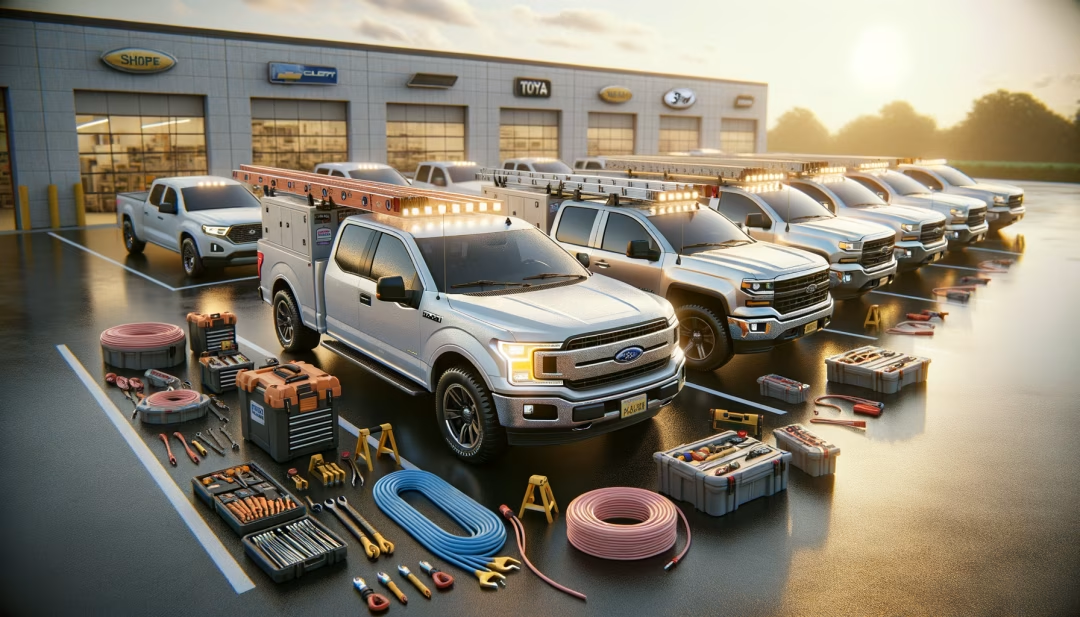
What Makes the Best Used Trucks for Electricians
Electricians need trucks that are tough, organized, and efficient. The right pre-owned pickup should carry tools and materials without strain, fit long ladders safely, power handheld equipment on site, and navigate tight residential streets or busy commercial lots. Choosing wisely helps reduce downtime, fuel costs, and unexpected repairs while boosting daily productivity. Below, you will find a detailed breakdown of core features, recommended models, inspection tips, and budget guidance built for the electrical trade.
Key Capabilities Electricians Should Prioritize
- Payload headroom for tools, conduit, ladders, and occasional materials like reels or panels
- In-bed organization for secure storage of hand tools, testers, PPE, and fasteners
- Power solutions such as factory 120V outlets or onboard generator systems for job site convenience
- Towing readiness for small trailers, lifts, or a compact skid with a loaded toolbox
- Maneuverability and visibility for urban service calls and tight driveways
- Safety tech like blind spot monitoring, rear camera, and trailer sway control
Best Truck Classes for Electricians
The ideal truck size depends on cargo weight, towing frequency, and where you work most of the time.
- Midsize pickups: Great for city routes and lighter payloads. Easier parking and better fuel economy while still handling racks and compact storage solutions.
- Half-ton pickups: The most versatile choice. Strong payload and towing with comfortable crew cabs for two to five techs and ample bed space for systemized storage.
- Three-quarter-ton and one-ton pickups: Best for frequent towing or heavy upfits. Useful when hauling generators, lifts, or large spools regularly.
Recommended Used Models to Shortlist
Availability, condition, and pricing vary by market. Start your research with most-reliable-used-trucks and best-used-trucks, then look for these standouts in used-inventory and best-used-trucks-under-20000.
- Ford F-150: Strong mix of payload, towing, and cab options. Later model years may include built-in bed power outlets or advanced safety tech that is helpful for urban jobs.
- Chevrolet Silverado 1500 and GMC Sierra 1500: Broad engine choices, solid ride, and many trims with factory trailer packages and 120V outlets in the bed or cabin.
- Ram 1500: Comfortable ride, useful in-bed lighting, and solid payload numbers. Look for models with integrated trailer brake controllers and bed utility groups.
- Toyota Tacoma: Durable and nimble for city jobs. Works well with ladder racks and modular storage systems, especially in Access Cab and Double Cab configurations.
- Ford Ranger and Chevrolet Colorado: Balanced towing and payload with smaller footprints. Ideal for dense metro service areas or mixed urban and suburban routes.
- Ford F-250 and Ram 2500: When towing lifts or a heavier enclosed trailer is common, these trucks provide the extra margin you need for confidence and longevity.
Cab and Bed Choices That Work for Electricians
Cab and bed choices shape how comfortably you carry your crew and how efficiently you organize tools.
- Regular Cab with long bed: Maximizes bed length for storage boxes and conduit, but limits interior seating. Good for solo electricians or a two-person crew.
- Extended Cab or Double Cab with standard bed: Balances crew space and cargo length. Great for carrying two to four techs plus rack systems and bins.
- Crew Cab with standard or short bed: Best for larger teams and comfort. Add a high-quality ladder rack and bed drawers to keep capacity and organization high.
Engines, Drivetrains, and Towing Packages
Gas V6 and V8 engines cover most electrician needs with reasonable maintenance costs. Turbocharged V6 options can deliver strong torque with better mileage if maintained well. Diesels shine for frequent towing but can cost more to service. Match drivetrain to environment: 4x4 is valuable for unpaved job sites, winter climates, and construction zones, while 4x2 often saves fuel for city routes. Seek trucks with factory tow packages that add upgraded cooling, a hitch receiver, wiring, and often trailer brake controllers. For more towing guidance, review best-used-vehicles-for-towing and best-used-trucks-for-towing-campers.
Utility Features and Upfits That Matter
- Ladder racks: Choose aerodynamic, corrosion-resistant systems with adjustable stops and rear rollers to protect ladder rails and speed loading.
- Bed drawers and side boxes: Lockable, weather-tight storage for meters, testers, bits, anchors, PPE, and fittings to keep the cab clutter-free and tools ready.
- In-bed power: 120V outlets and high-output alternators help run chargers and small tools. Some late-model pickups offer integrated generator-style systems worth seeking out.
- Lighting: Bed lighting, cargo lamps, and work lights improve safety and speed when working at dawn, dusk, or indoors.
- Safety tech: Blind spot monitoring with trailer coverage, rear camera with dynamic lines, and sensors are especially useful in neighborhoods and busy parking lots.
Model Year Sweet Spots and Mileage
For half-ton trucks, a sweet spot often lives around five to seven model years old where depreciation has slowed but modern safety and in-bed power features are present. Midsize trucks typically wear mileage well when serviced on schedule. A well-maintained gas truck in the 80,000 to 130,000 mile range can still deliver many years of duty. Focus on service records, recall completion, and pre-purchase inspection quality. For durability research, explore most-reliable-used-trucks and used-cars-that-last-over-200000-miles.
Cost and Budget Planning for Electricians
Your budget depends on payload needs, comfort expectations, and upfit scope. Many electricians find excellent value in half-ton crew cabs with mid-level trims and factory tow packages. If you are aiming to control spend, compare best-used-trucks-under-20000 and best-used-vehicles-for-hauling to locate proven work-ready platforms. Total cost of ownership includes fuel, insurance, maintenance, and tires, as well as racks and storage systems. Use resources like used-cars-with-lowest-cost-of-ownership to frame long-term planning.
Used Truck Inspection Checklist for the Electrical Trade
A careful inspection reduces risk and keeps your schedule on track. Pair the list below with used-car-inspection-checklist for a deeper dive.
- Frame and underbody: Check for rust, previous repair quality, and signs of overloading such as rear spring sag or uneven tire wear.
- Suspension and brakes: Listen for clunks, inspect bushings, ball joints, rotors, and pads. Confirm straight tracking and even braking in a test drive.
- Electrical system: Test battery, alternator output, outlets, lighting, and any upfitter switches or aftermarket wiring for clean installs and correct fusing.
- Drivetrain: Scan for codes, verify transmission shifts, check 4x4 engagement, and look for fluid leaks around seals and coolers.
- Bed and upfits: Inspect ladder racks, tie-downs, tonneau or cap, and storage boxes for corrosion, function, and secure mounting points.
Safety and Technology That Help on the Job
Modern driver assistance features reduce strain in tight neighborhoods and protect gear on busy sites. Look for rear cross-traffic alert, blind spot monitoring, and parking sensors. Trailer sway control, integrated trailer brakes, and extended towing mirrors build confidence when hauling a scissor lift or an enclosed tool trailer. Cabin technology like wireless phone integration and multiple USB ports keeps routing, estimating, and communications smooth throughout the day. For safety-focused shopping, see safest-used-trucks and used-cars-with-best-safety-ratings.
Accessories and Organization for Electricians
A well-organized truck speeds every task. Prioritize weatherproof storage, quick-access bins, and consistent labeling. Many electricians combine a bed drawer system with side-mounted boxes, then mount a rack with rear rollers and ladder stanchions. Add tie-down cleats and E-track for secure material transport. Bed mats or spray-in liners protect gear and reduce sliding. Keep a dedicated charging zone for batteries and test equipment, leveraging 120V outlets or an inverter where available.
Financing, Protection Plans, and Service
When planning ownership costs, compare options at payment-options and applications. Extended protection can be useful for high-mileage driving or intensive towing. Learn about coverage in used-car-warranty-guide and extended-warranty-for-used-cars. To keep your truck reliable through peak season, align maintenance with service intervals at schedule-service and review how-to-finance-a-used-car for funding clarity. If you want to see example rates and factors, check used-car-loan-interest-rates.
Trucks vs Vans for Electricians
Trucks excel with open-bed flexibility, ladder rack compatibility, and easier loading of long conduit. Vans offer enclosed storage and weather protection. Many solo electricians in urban areas choose midsize or half-ton pickups with a locking cap and integrated drawers, while those who prefer a fully enclosed mobile workshop lean toward a van. If you prefer towing a small enclosed trailer for inventory, a half-ton or three-quarter-ton pickup with factory towing upgrades is often the best match.
How to Narrow Your Shortlist
- Define daily payload and max towing needs, then choose class accordingly.
- Pick cab size for your crew and confirm bed length supports racks and storage.
- Target models with factory outlets, tow packages, and safety tech that fit your routes.
- Validate service records and run a structured inspection before purchase.
Helpful links
Explore more resources and inventory: used-inventory, sold-inventory, best-used-trucks, best-used-trucks-for-work, best-used-vehicles-for-towing, best-used-trucks-under-20000, most-reliable-used-trucks, used-car-buying-checklist, used-car-inspection-checklist, how-to-buy-a-used-car, value-my-trade, payment-options, applications, schedule-service, about-us, meet-our-staff, blog, locations, contact-us, privacy-policy, terms, visitor-agreement.
