

Picks, Smart Buying Tips, and Ownership Insights
Shopping for the best used electric cars can deliver excellent value, low running costs, and a smooth, quiet drive. This guide highlights proven models, practical range insights, battery health tips, and warranty information so you can choose with confidence. Whether you are comparing compact commuters or family friendly EVs with more cargo space, we cover how to evaluate range needs, charging options, and total ownership costs. You can review current choices on our used inventory page and research recent sales on sold inventory for real world pricing context. When you are ready to dig deeper, our research resources and blog offer model comparisons and maintenance guidance tailored to electric vehicles. From at home charging to public fast charging, and from battery warranties to value retention, this page organizes what matters most so you can find the right EV for your lifestyle and budget today and for years ahead.
- Data driven model recommendations and range tips
- Battery health, warranty, and charging guidance
- Links to used inventory and EV research resources
After reviewing the highlights above, continue below for in depth advice on evaluating battery reports, charging hardware, climate impact on range, and budgeting for ownership. You will also find links to related research and financing education, including pages like used car warranty guide, certified pre owned vs used, and how to buy a used car. If you want to compare other efficient options, see best used hybrid cars and best used electric vehicles.
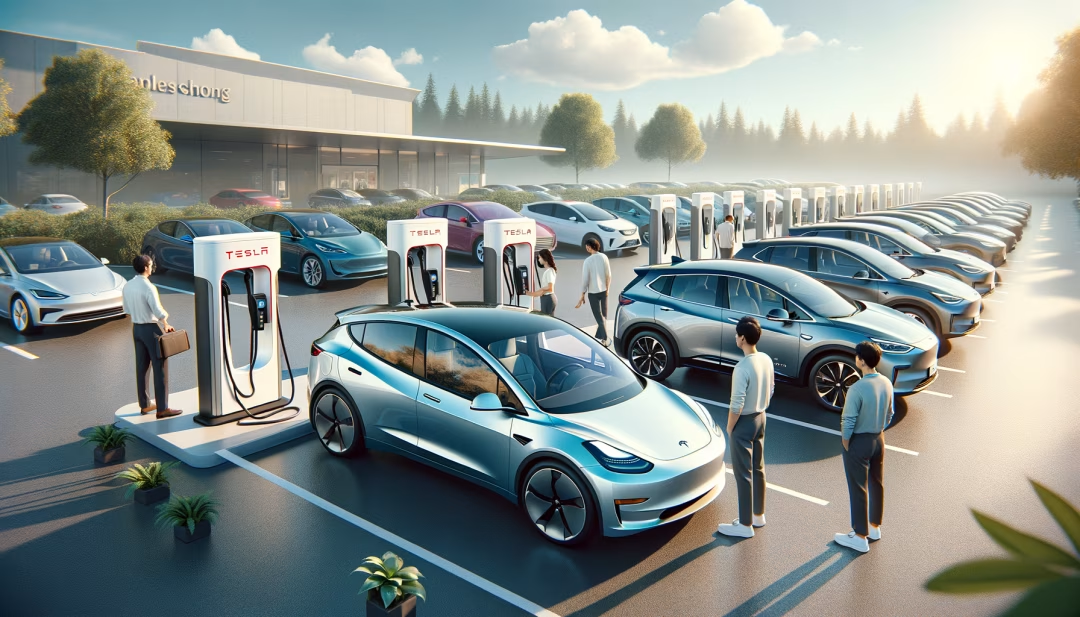
Why the Best Used Electric Cars Make Sense
Pre owned EVs can deliver compelling value compared with new models. Many electric cars depreciate faster in early years, bringing advanced technology, strong safety features, and modern driver assistance to more affordable price points. Daily running costs are typically lower thanks to cheaper electricity versus gasoline and fewer moving parts that can wear, such as no engine oil, spark plugs, or timing belts. Brake pads also tend to last longer because of regenerative braking.
Top Used EVs to Consider
While availability changes, several models consistently rank well for value, range, and reliability. Always confirm current stock on used inventory and check recent transactions on sold inventory to understand real market pricing in your area.
- Tesla Model 3 Standard Range and Long Range: Strong range, broad fast charging access, advanced tech. Verify battery health and software features.
- Chevrolet Bolt EV and EUV: Excellent efficiency per dollar, solid real world range. Check recall completion for battery modules and DC fast charge capability.
- Nissan Leaf: Budget friendly, ideal for commuting. Earlier models use CHAdeMO fast charging and may show more battery degradation in hot climates.
- Hyundai Kona Electric and Ioniq Electric: Efficient, well equipped, strong warranty when still active. Confirm battery recall status where applicable.
- Kia Niro EV: Practical crossover shape with useful cargo space. Verify DC fast charge rate and driver assistance features on your trim.
- Volkswagen ID.4: Spacious cabin, comfortable ride, improving software. Confirm software updates and charging performance.
- Ford Mustang Mach E: Engaging drive with good range options. Check OTA update history and warranty coverage status.
Choosing the Right Range for Your Needs
The best used electric car for you should meet your daily driving pattern with comfortable buffer. A typical commuter uses far less than most EVs can deliver in a day. Still, weather, elevation, speed, cargo, and HVAC use can reduce range. Consider your longest regular round trip, winter conditions, and whether public fast charging is convenient if you occasionally need extra miles.
- Short commutes and urban driving: 120 to 180 miles of EPA rated range often suffices, making cars like Leaf and Ioniq Electric budget winners.
- Mixed suburban driving and weekend errands: 200 to 260 miles provides relaxed flexibility without frequent charging stops.
- Regional trips and highway miles: 270 plus miles helps reduce stop frequency and preserves buffer in cold weather.
Battery Health and What to Check
Battery condition is the centerpiece of any used EV purchase. Capacity loss is normal over time, but the rate depends on chemistry, heat exposure, fast charging frequency, and storage habits. Ask for a recent battery health report, service records, and recall status. Consider an independent inspection with a technician experienced in EV diagnostics. You can use these resources to organize your evaluation: used car inspection checklist, used car vin check guide, and used car history report guide.
- Battery state of health reading when available from the vehicle or dealer service tool.
- Warranty status on the high voltage battery pack and power electronics.
- Fast charging history and software update records that may affect charging speed or range estimation.
Charging Basics and Home Setup
Every EV can charge from a standard household outlet, though it is slow. Most owners install Level 2 charging to fully replenish overnight. Confirm the included charging cable, charging port type, and maximum onboard charging rate. If you plan road trips, ensure the car supports DC fast charging and that your regional network coverage is strong. For ongoing education on ownership costs and fueling, visit used cars with best fuel economy and used cars with high mpg.
- Level 1: 120V household outlet. Adds a few miles per hour. Good for low daily miles or as backup.
- Level 2: 240V at home or public stations. Typically 20 to 40 miles per hour, ideal for overnight charging.
- DC Fast Charging: 50 to 250 plus kW depending on model. Great for road trips, often 10 to 80 percent in 20 to 45 minutes.
Cold Weather and Range Planning
EVs can lose a portion of range in cold weather due to battery chemistry and cabin heating. Heat pumps, preconditioning while plugged in, and heated seats help mitigate losses. If you live in a winter state, consider our pages best used vehicles for winter driving and used cars for snow to compare traction systems and tire recommendations. For best results, warm the cabin and battery while connected, keep tires properly inflated, and use seat and wheel heaters rather than relying only on cabin heat.
Warranties, Service, and Total Ownership Cost
Many EVs carry long battery warranties by time and mileage, sometimes transferable to new owners. Confirm remaining coverage, read the terms, and check eligibility for extended protection. Electric cars often have lower routine maintenance costs, but tire wear can be higher on torque rich models. Visit used car warranty guide and extended warranty for used cars to understand coverage choices, and schedule service if you want a pre purchase inspection by an EV trained technician.
- Service records and software update logs provide insight into care and feature set.
- Ask about cabin filter, brake fluid, and coolant intervals where applicable for your model.
- Evaluate tire tread and alignment. Instant torque can accelerate wear on poor alignment.
Budgeting and Financing a Used EV
EV pricing varies by trim, battery size, and charging speed. Some buyers also qualify for regional incentives on used EVs. Build your plan with resources like payment options, applications, how to finance a used car, used car loan interest rates, and how much down payment for used car. Insurance costs can be different for EVs, so request quotes with the specific trim and options. If you plan to replace a vehicle, value my trade can help estimate equity.
CPO vs Used and How to Evaluate Condition
Certified pre owned programs may include extended battery or component coverage and multi point inspections, though availability varies by brand. Compare certified pre owned vs used for program details. Regardless of certification, follow a structured evaluation with how to buy a used car and used car buying checklist. Ask for full charge and low charge test drives to see how the battery behaves across the state of charge range, and verify all charging adapters, portable cables, and tire repair kits are present.
- Confirm DC fast charging operation at least once if practical.
- Test driver assistance features like adaptive cruise and lane keeping on a suitable road.
- Inspect cargo space, underfloor storage, and frunk where equipped.
Best Used Electric Cars by Need
Matching the vehicle to your daily life boosts satisfaction and value. Consider the categories below and use our research page template to build a personalized shortlist. If you are shopping within a specific budget threshold, start with best used electric cars under 25000.
- City and short commute: Nissan Leaf, BMW i3, Hyundai Ioniq Electric. Easy parking and efficient energy use.
- Long commute and highway: Tesla Model 3 Long Range, Chevrolet Bolt EUV, Hyundai Kona Electric for strong range and driver assists.
- Family friendly space: Volkswagen ID.4, Kia Niro EV, Ford Mustang Mach E with flexible cargo and available AWD depending on trim.
Feature Checklist for Your Test Drive
Modern EVs include infotainment, safety tech, and comfort features that vary by year and trim. Verify the items most important to you. For more comparisons by feature, consult pages such as used cars with best driver assistance, used cars with best infotainment systems, and used cars with best backup cameras.
- DC fast charging capability and connector type matched to your region.
- Heat pump HVAC, heated seats, and heated steering wheel for cold climates.
- Adaptive cruise control, blind spot monitoring, lane keeping assist, and 360 camera if desired.
- Wireless smartphone integration and up to date navigation with charging stops.
Helpful Links for Research
Continue building confidence with these related pages and tools from our site.
- used inventory and sold inventory
- best used electric vehicles and best used hybrid cars
- best used electric cars under 25000
- Financing guides: payment options, applications, used car loan interest rates
- Ownership and protection: used car warranty guide, extended warranty for used cars, certified pre owned vs used
- Buying help: how to buy a used car, used car inspection checklist, how to check used car history
- More research: blog, research page template
- Planning visits and service: locations, schedule service, schedule a test drive
- Trade and value: value my trade
Best Used Electric Cars FAQ
Final Thoughts
The best used electric cars balance range, battery health, and charging access with a realistic budget. Use the links on this page to compare trims, check history, plan financing, and schedule service for inspections. When matched to your driving profile and climate, a pre owned EV can deliver quiet performance, low daily running costs, and modern technology that remains enjoyable for years. For broader comparisons across efficient vehicles, consider best used hybrid cars and best used electric vehicles, then return to used inventory to identify candidates that fit your needs.
For information about our company, policies, and team, you can visit about us, privacy policy, terms, visitor agreement, contact us, meet our staff, and customer survey. These pages explain how we support your shopping experience, protect your information, and respond to feedback across the entire ownership journey.
