

Headroom, Legroom, and Comfort Guide
Finding the best used cars for tall drivers doesn't need to be a compromise. If you are well above average height, focus on generous headroom, true stretch out legroom, a high seat base, and a steering wheel that both tilts and telescopes. Our guide explains how to evaluate driver space in sedans, SUVs, trucks, and minivans, so you can sit upright with clear sightlines and relaxed posture. Explore tips for test fitting, seat adjustments, and visibility, plus real world model ideas that tend to fit tall drivers well. When you are ready, browse options in used inventory, compare measurements with sold inventory for reference, and line up a test drive that prioritizes comfort and control. You can also research ownership costs and safety ratings across body styles to find the right fit for you. Start with this page, then visit used inventory, research pages, and expert insights to shop with confidence.
- Browse options in used inventory and review recent sold inventory
- Compare similar picks on best used sedans and best used midsize suvs
- Learn how to shop smart on how to buy a used car
After you explore this tall driver guide, compare space and features across our used inventory. You can estimate payments on payment options, get a trade estimate on value my trade, and find flexible terms on applications. Have questions about fit, features, or availability. Connect with our team on contact us or learn more on research page template.
How to Choose a Used Car When You Are Tall
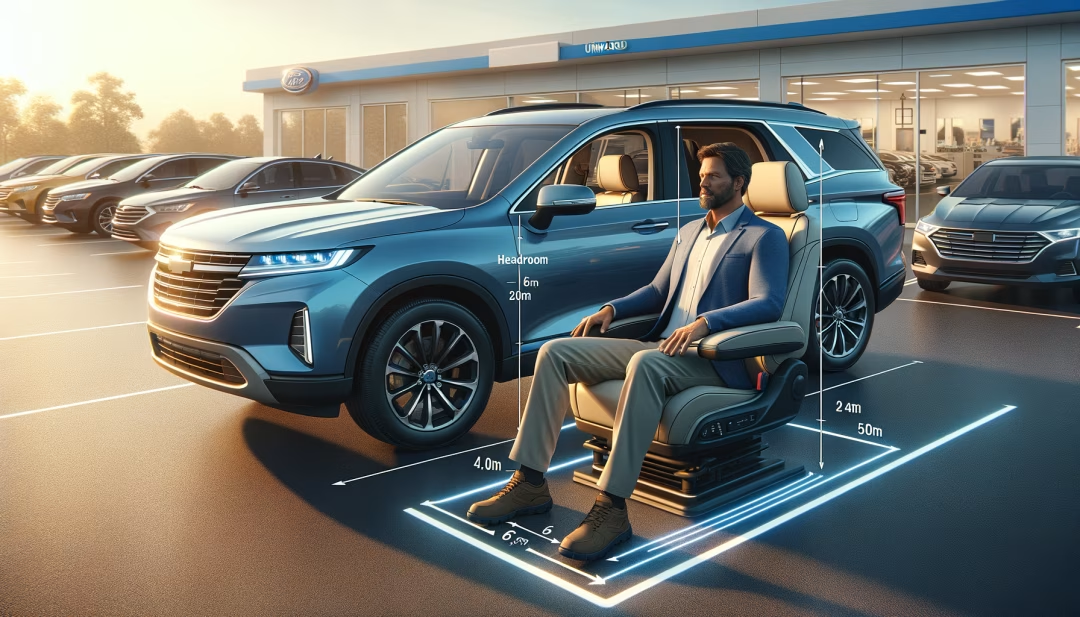
Height comfort starts with cabin geometry. Two key measurements matter most for tall drivers. Headroom from seat base to roof and legroom from the pedals to the seat travel limits. The right combination lets you sit upright with a relaxed knee angle and enough cushion length to support your thighs. That relaxed fit reduces fatigue on commutes and road trips and gives you steady control of the pedals, wheel, and mirrors.
Beyond raw space, look for a supportive seat with long slide travel, multi level height adjustment, and a tilt adjustable seat base if available. A telescoping steering wheel helps you bring the wheel to you rather than sliding too close to the pedals. Tall drivers also benefit from a higher roofline that clears your head even with an upright posture. If a model has a sunroof, it can slightly lower the headliner. Tall shoppers who need every inch may prefer trims without a sunroof.
Quick Fit Checklist for Tall Drivers
- Confirm seat height range and long fore and aft travel
- Check headroom with your preferred upright posture and seat height
- Verify knee clearance under the wheel and to the dash center stack
- Extend the steering wheel toward you and ensure a natural elbow bend
- Ensure a clear view of gauges without stooping or leaning forward
- Evaluate door opening height and ease of entry and exit
Body Styles and Space Advantages
Different categories solve tall driver needs in different ways. Sedans can offer very long legroom in front with a lower seating position that helps with headroom. Midsize and full size SUVs often add a higher hip point for easier entry and commanding visibility, with rooflines that preserve headroom. Trucks deliver generous legroom and shoulder space, and crew cab models can feel especially airy up front. Minivans are underrated for tall drivers, thanks to upright seating, wide doors, and upright rooflines.
Sedans that Often Fit Tall Drivers
Many midsize and full size sedans provide long front legroom and an adjustable wheel that makes it easier to dial in reach. Trims without sunroofs tend to maximize head clearance. Look for power seats with tilt and height adjustments. To research sedan options by value, visit best used sedans, compare reliability on most reliable used cars, and check efficiency on used cars with high mpg.
SUVs with Room to Spare
Midsize and full size SUVs raise your hip point and can ease entry and exit while still providing headroom for drivers six foot two and taller. Boxier rooflines often increase vertical space. If you routinely carry passengers, three row SUVs can provide second row space without cramping the driver seat. Explore segment favorites on best used midsize suvs, best used full size suvs, and best used 3 row suvs.
Pickup Trucks and Minivans
Trucks usually offer abundant shoulder width and legroom, and the upright posture helps taller torsos. Crew cab models often pair well with telescoping wheels and power seats that raise and lower extensively. Minivans may not be flashy, but they offer some of the easiest ingress, tall rooflines, and supportive seats that suit larger frames. If you need capability or cargo, see best used trucks and family friendly picks on best used minivans.
Test Fit Method for Tall Drivers
Measurements on paper are helpful, but the most accurate test is how your body fits in the driver seat. Bring your usual driving shoes and plan to sit as you naturally would on long trips. Start by lowering the seat until your hips and knees feel balanced, then adjust seatback for an upright posture that still supports your shoulders. Slide the seat to find a knee angle that avoids over flexing and keeps your ankle relaxed on the throttle. Pull the steering wheel toward you to keep elbows slightly bent, then raise or lower the wheel to fully view gauges. Finally, check visibility at stoplights so you do not need to duck to see traffic signals.
- Drive over speed bumps and rough patches to confirm head clearance during body motion
- Test seat height increments to see if a slightly higher setting improves visibility without reducing headroom too much
- Confirm knee clearance when turning the wheel lock to lock in parking maneuvers
Seat Comfort and Ergonomics Features to Seek
Power seat height and long seat track travel are the biggest wins for tall drivers. Add in a telescoping wheel, and you can maintain a safe back and shoulder posture without crowding the pedals. A seat cushion with longer thigh support and an extendable front edge can reduce pressure points on long drives. Look for lumbar adjustment that meets the small of your back, and consider memory seat settings if more than one tall driver shares the vehicle. Heated and ventilated seats can add year round comfort, especially when you prefer a more upright position.
Safety and Visibility for Tall Drivers
Clear forward and upward visibility is critical when you sit high. Make sure the roofline does not cut off your view of signals or overhead signs. A higher seating position can help but must not force your head near the headliner. Check for modern safety tech that supports confident driving, like blind spot monitoring, rear cross traffic alert, automatic emergency braking, and adaptive cruise control. You can compare safety focused picks on used cars with best safety ratings and safest used cars.
Budget, Value, and Total Cost of Ownership
A perfect fit is only part of the story. Evaluate reliability, maintenance costs, insurance, fuel economy, and resale strength. Tall drivers who log many highway miles may want quieter cabins and adaptive cruise features that reduce fatigue. Start with ownership resources like used cars with lowest cost of ownership, used cars with best resale value, and most reliable used cars. If you are value focused, check price band lists including best used cars under 15000 and best used cars under 20000.
Financing and Trade In Tips
Comfortable fit can reduce fatigue and help you keep a vehicle longer, which can translate into better long term value. If an upgraded trim brings power seats and a telescoping wheel, consider how that comfort improves your day to day experience. You can compare terms on payment options, start an application on applications, and estimate your equity on value my trade. If you want to understand financing, see how to finance a used car and used car loan interest rates.
Related Research for Tall Drivers
Some segments stand out for generous space and comfort. Research deeper with these helpful pages and compare across your short list. Each resource can help you narrow to models that fit, ride well, and provide the features you value most.
- Segment guides: best used suvs, best used trucks, best used minivans
- Comfort and commute: best used commuter cars, best used cars for road trips
- Budget picks: best used cars under 25000, best used suvs under 20000
- Shopping know how: used car buying checklist, what to look for when buying a used car
How to Compare Space Specs the Right Way
Automakers publish headroom and legroom, but measurement methods vary. One brand might measure with the seat all the way back, another at a midpoint. Use specs as a screening tool rather than a final verdict. If you are six foot four, a sedan rated high for legroom could still be a squeeze depending on cushion height and steering column reach. When in doubt, test the exact trim and year you are considering. Review photos and notes from our sold inventory to learn which options and seat features appear on comparable vehicles.
Helpful Links
- Explore current selection on used inventory
- Learn about our team on meet our staff and read more on the blog
- Get answers and hours on contact us and see locations on locations
- Understand policies on privacy policy, terms, and visitor agreement
