

Buyers: Safe, Reliable, Budget Friendly Picks
Buying your first car should feel exciting, not overwhelming. This guide to the best used cars for first time buyers explains what to prioritize so you can choose a vehicle that fits your budget, lifestyle, and comfort behind the wheel. We highlight safe, reliable, and affordable options across compact cars, small sedans, and entry level SUVs, plus tips on insurance, maintenance costs, and must have features like backup camera and Bluetooth. If you want to browse real vehicles after you learn the basics, check out used inventory, value your trade, or review helpful research on our blog and research pages. Whether you need a commuter, a student friendly car, or an all weather daily driver, you will find practical guidance and trusted recommendations tailored to first time buyers.
Use this page alongside how to buy a used car and used car buying checklist to confidently compare models, set a smart budget, and understand total ownership costs before you visit.
First time buyers often ask about down payments, credit, and insurance. You can learn how used car financing works, explore payment options, and submit applications online to understand what fits your budget. If you already have a vehicle, you can estimate its value on value my trade. When you are ready to see a car in person, use schedule a test drive. For questions, view about us, meet our staff, or contact us.
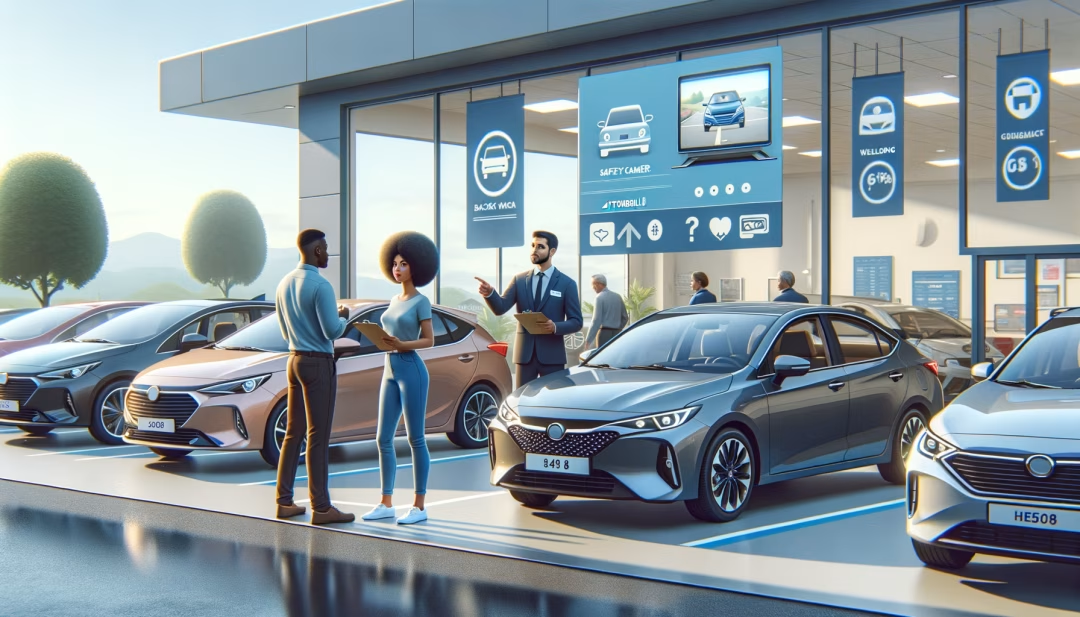
How to choose the best used car for a first time buyer
The ideal first car is easy to drive, affordable to insure, reliable over time, and economical to own. Focus on total cost of ownership, not only the price on the windshield. Add likely fuel costs, expected maintenance, insurance, taxes, and registration. Then consider safety and driver assist features that reduce stress and improve confidence on the road.
- Set a realistic budget using best used cars under 10000, best used cars under 15000, or best used cars under 20000 for value targets that match your finances.
- Check reliability and owner ratings with most reliable used cars and used cars with longest lifespan to avoid unexpected repairs.
- Prioritize safety using safest used cars and used cars with best crash test ratings to find strong protection for new drivers.
- Estimate insurance with best used cars with low insurance costs to keep monthly expenses in check for first time policies.
- Limit fuel spend by comparing used cars with high mpg and best used cars with good gas mileage.
Great first car categories and why they fit new drivers
Different buyers have different needs. The following categories are proven first car sweet spots because they balance small size for easy maneuvering, strong safety records, and predictable ownership costs. Each group links to deeper guides if you want model by model shortlists.
Compact cars
Compact cars are easy to park, sip fuel, and usually carry lower insurance premiums. They are ideal for city driving, commuting to class or work, and learning vehicle control. Start with best used compact cars and best used commuter cars to compare picks known for durability and value retention.
- Easy to drive visibility and tight turning radius build confidence.
- Lower purchase prices can keep you under popular budget tiers like best used cars under 10000 and best used cars under 15000.
Small and midsize sedans
If you want more room and a smoother ride without a big jump in cost, look at best used sedans. Many models feature advanced driver assists, strong crash test results, and comfortable highway manners.
- Balanced handling that helps new drivers learn safe lane changes and merging.
- Often include helpful tech like Apple CarPlay, Android Auto, and backup camera as standard on late model years.
Small SUVs and crossovers
Small SUVs combine everyday practicality with higher seating positions that increase outward view. If your roads see winter weather, best used AWD vehicles offer traction confidence without the size of a full SUV. Start with best used crossover suvs and best used midsize suvs to compare ride quality and cargo needs.
- Improved visibility helps new drivers anticipate traffic and curbs.
- Flexible cargo for school, sports, or weekend trips.
Hybrid and electric options
If fuel savings and low running costs top your list, consider hybrids from best used hybrid cars or city friendly EVs from best used electric vehicles. They can reduce gas stops and total cost of ownership when purchased at the right price.
- Low fuel expense, especially on best used hybrid cars under 20000 or best used electric cars under 25000.
- Often include modern driver aids and connectivity that benefit new drivers.
Key features first time buyers should prioritize
Advanced safety and convenience features can reduce stress and support skill building. When comparing vehicles in used inventory, confirm the trim level and packages so you know exactly which features the car has.
- Safety tech: automatic emergency braking, lane keeping assist, blind spot monitoring, rear cross traffic alert. See used cars with best crash test ratings.
- Confidence builders: backup camera, parking sensors, adaptive cruise control, large clear infotainment screens.
- Low cost ownership: models from used cars with lowest maintenance costs and used cars with lowest repair costs.
- Fuel economy: used cars with high mpg help control monthly spend for students and new professionals.
Budget planning for your first car
A smart budget blends down payment, monthly payment, insurance, fuel, and maintenance. Explore payment options to understand how term length and rate affect your budget. Use applications to see potential approvals, then compare models in your price range with best used cars under 10000, best used cars under 15000, and best used cars under 20000. If you have a vehicle to swap, start with value my trade to estimate equity and lower your financed amount.
Insurance can vary widely for first time drivers. Vehicles with smaller engines, strong safety ratings, and plentiful parts typically cost less to insure. Cross reference picks in best used cars with low insurance costs to reduce surprises before you choose a specific car.
Reliability and maintenance
Choose models with long track records and low repair frequency. Use most reliable used cars, used cars that last over 200000 miles, and used cars with lowest repair costs to identify standouts. Before purchase, review used car inspection checklist and used car buying checklist to verify condition and service history. Ask for a detailed inspection, tire and brake measurements, and proof of regular oil changes. Matching common wear items to your expected annual mileage can help you plan maintenance for the next two years.
First time buyers by lifestyle
Your best fit depends on how you drive and who rides with you. Use these quick paths to more focused guides.
- Students and new drivers: best used cars for teens, best used cars for college students, best used cars for first job.
- Snow or rough weather: best used vehicles for winter driving and best used cars for snow.
- Long commutes: best used cars for long commutes and best used cars for commuters.
- Family needs: best used family cars and best used cars with third row seating for growing households.
Steps to take before you visit
Preparation removes stress and keeps your decision on track. Use these steps as a quick roadmap from research to a confident purchase.
- Read how to buy a used car to understand pricing, vehicle history, and key documents.
- Review certified pre owned vs used to weigh warranty coverage versus price savings.
- Compare similar cars on used cars with best resale value and used cars with lowest cost of ownership to protect long term value.
- Create a shortlist from best used compact cars, best used sedans, or best used crossover suvs, then review real vehicles in used inventory.
Financing basics for first time buyers
Financing a used car is straightforward once you know the terms that shape your monthly payment. Read how does used car financing work, how to finance a used car, and used car loan interest rates to learn about rate, term, and total interest. If your credit is new or recovering, see best used cars for bad credit and can you finance a used car with bad credit to set realistic expectations and explore lender options. You can also learn how much down payment for used car and what credit score is needed to finance a used car to plan your next steps with clarity.
Test drive tips for new drivers
A great test drive helps you feel how a car fits your daily routine. Map a short route with highway, stop and go, and parking practice. Check outward visibility, seat comfort, and control layout. Try parallel parking and a tight U turn to gauge maneuverability. Confirm that safety systems are easy to activate and the backup camera offers a clear view. Use used car inspection checklist to confirm cold start behavior, idle smoothness, and that warning lights clear after startup. When your shortlist is set, you can use schedule a test drive to pick a time that aligns with daylight for a thorough look.
